Industry
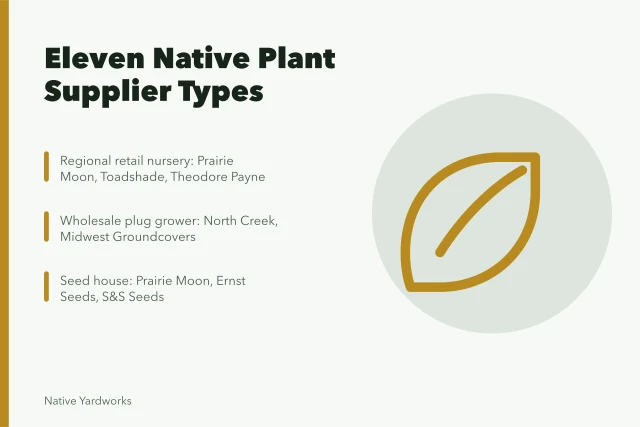
Part of Buyer's checklist for native plant nurseries companies: eleven supplier types
Which part of native plant nurseries case studies really comes down to the relationship is the asset?
Five sourcing lessons from documented native plantings: what restoration projects and public gardens have learned about buying native plants, order early.
What to take away
- Large conversions are done in sections, and each section is ordered separately.
- Rare and priority species are propagated deliberately, in small numbers, with funding behind them.
- Species availability drives the schedule far more than the calendar does.
- The supplier relationship is worth more than any single order.
Lesson one: convert in sections, order in sections
Documented conversions rarely happen in one pass. The Fish and Wildlife Service describes a Washington tree farm being returned to native prairie section by section.
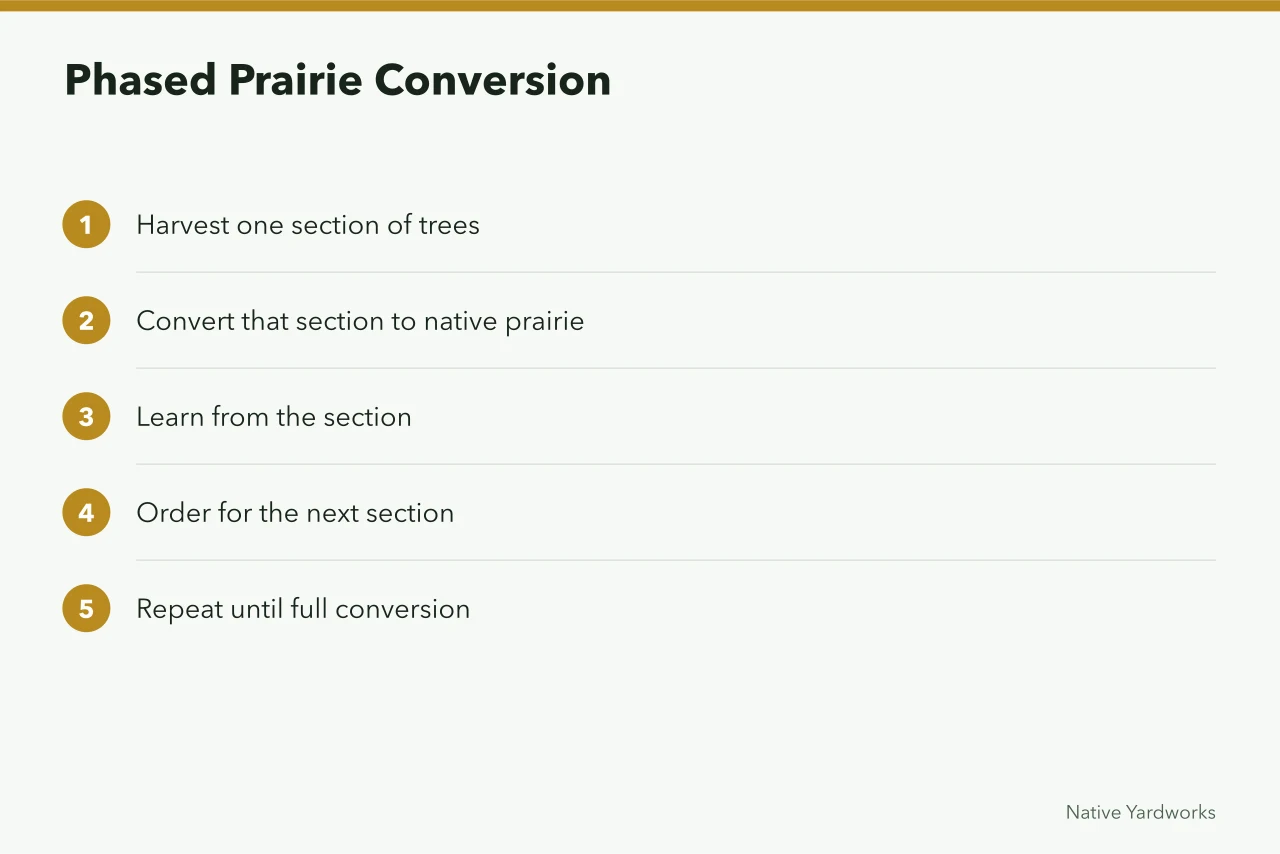
Work starts on each piece after a section of Christmas trees is harvested. The goal is eventual full conversion to habitat for golden paintbrush, Taylor's checkerspot butterfly and the Mazama pocket gopher.
The home version is the same discipline: order for the section you are planting this season, learn from it, then order for the next. Doing the whole area at once multiplies every mistake by the full area, which is the case for phasing a first project.
Lesson two: rare species are produced deliberately
Uncommon plants do not simply appear in trade. The U.S. Botanic Garden reports awards to ten gardens and arboreta across eight states, ranging from about $3,000 to $5,000 each, to support collection, propagation and safeguarding of 18 priority tree species in botanical collections.
If a species is scarce, expect small batches, waiting lists and a grower who wants to know where it is going. Behave accordingly: ask early, be patient, and do not expect a discount.
Lesson three: availability sets the schedule
Most home projects are planned around a target planting date and then compromised at the nursery. Reverse it. Find out what you can actually get, in what size, in what month, and build the schedule from that.
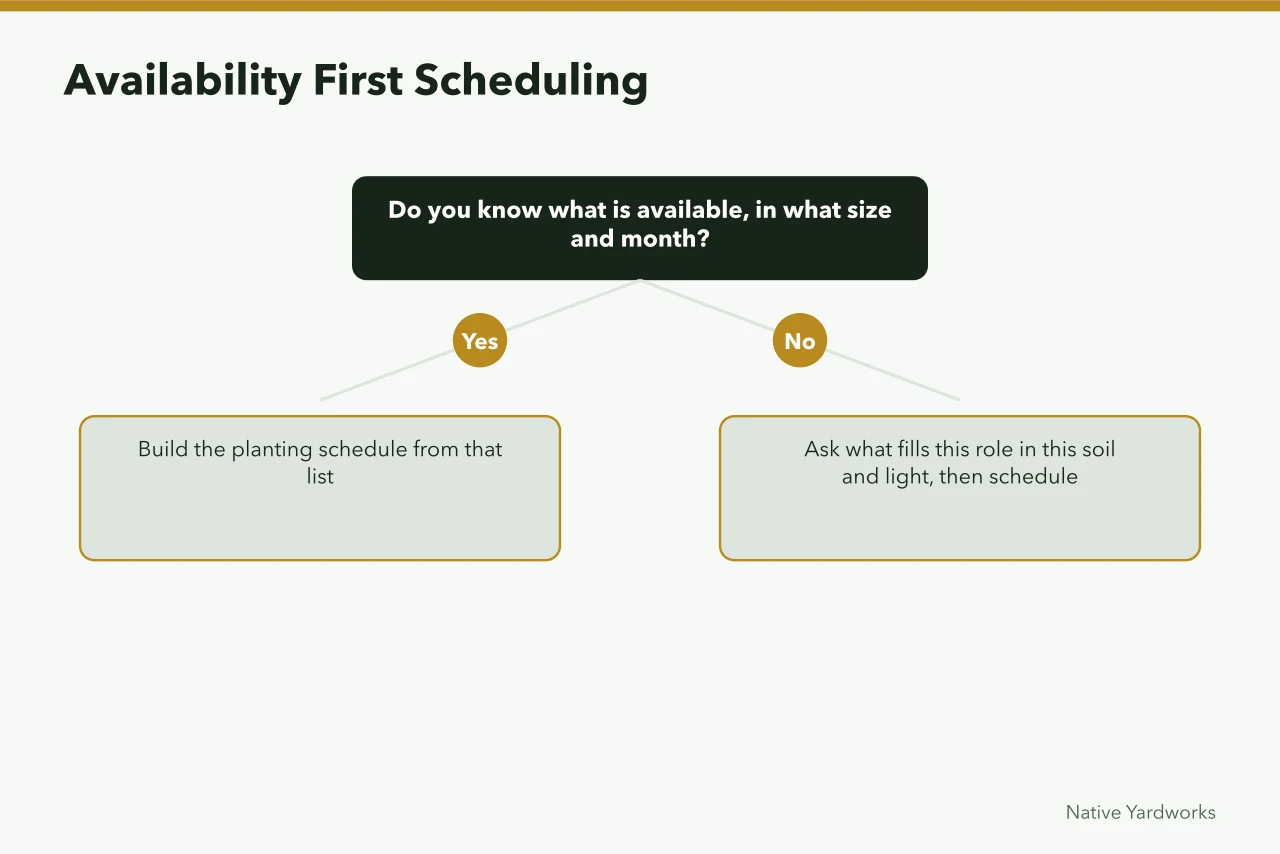
This single change removes the most common cause of substitution, which is a fixed installation date meeting a sold-out species. A sold-out species often pushes buyers toward regional native plants comparison, where geographic evidence and site fit matter more than a promised ship date.
It also changes what you ask. Instead of "do you have Species X," ask "what do you have that fills this role in this soil and this light, and when can I get it?"
Growers answer that far better because they think about it all year. A list built that way is more available, more regionally appropriate and cheaper than one from a book.
Lesson four: the relationship is the asset
| What a returning customer gets | Why |
|---|---|
| Advance notice of what is coming | The grower knows your list |
| Species grown to order | Contract growing for repeat buyers |
| Honest steering away from wrong choices | Reputation matters more than one sale |
| Substitutions proposed, not imposed | Trust runs both ways |
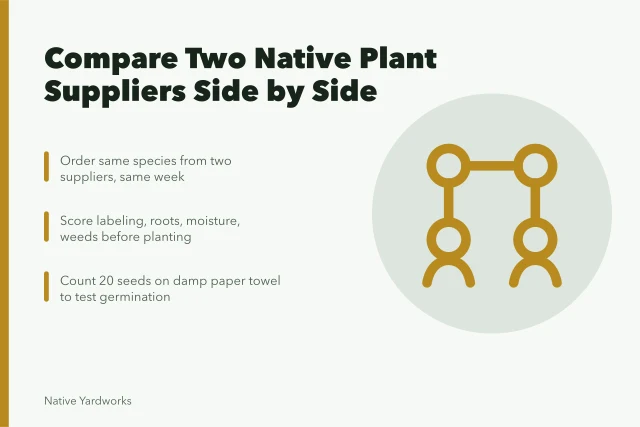
Buy from the same regional grower for several years and you become a customer whose plan they know. That is worth more than five percent off a single order. One season of ordering the same species from two suppliers is usually enough to decide which grower that should be.
Turning up in person helps more than any amount of email. Growers will tell you what is doing well this year, what to avoid in your conditions, and what they have too much of, and none of that appears in a catalog.
Lesson five: keep the paperwork from every order
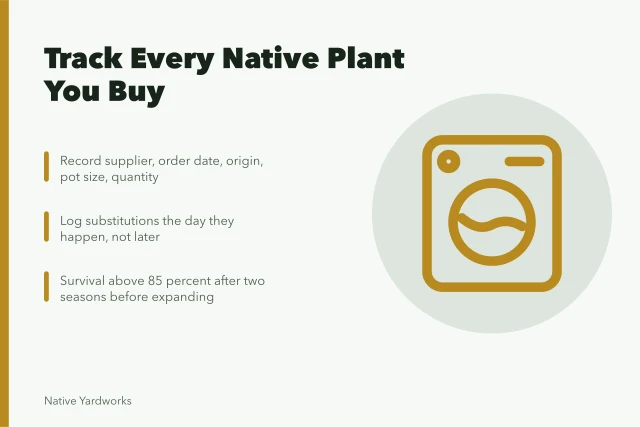
Species, source, quantity, date, price, and what happened afterwards. Projects that are monitored for years keep this as a matter of routine, and it is the only way to tell a bad species choice from a bad batch.
Feed the results into your record-keeping routine and revisit the eleven supplier types once you know which category serves you best.
Common questions
Will a nursery grow plants to order for a homeowner? Some will, for a reasonable quantity and with a season or two of notice.
How far ahead should I order? Six months for common species, a year for anything scarce.
Is it worth joining a native plant society? Yes, mostly for the sales, the identification help and the local knowledge.
Can I collect seed myself instead? Only with permission and where legal, and never from public land without a permit.