Industry
Part of Native Yard Projects Planning: A Process Overview
5 lessons from native yard projects: grasses, local supply, aftercare, phasing, records
Five lessons from native planting projects: grasses hold beds, local supply is a partnership, aftercare needs an owner, and phasing and records guide year two.
What to take away
- Flowers get the attention; grasses and sedges do the structural work.
- Local plant supply is built by partnerships, which is why lead times are long.
- Projects that name a maintenance owner survive. The rest revert.
- Phasing is not a compromise. It is how the good ones were built.
Lesson one: plant the grasses, not only the flowers
The most common amateur planting is a flower bed with a native plant list. It looks thin, floppy and weedy by year two, because nothing is holding the space between the blooms.
Flowers only vs. grasses plus flowers
Flowers only
- Year two look
- Thin, floppy, weedy
- Bare soil
- Exposed
- After rain
- Splays open
- Wildlife role
- Nectar only
Half grasses or sedges
- Year two look
- Filled and upright
- Bare soil
- Covered
- After rain
- Neighbors to lean on
- Wildlife role
- Shelter and feed
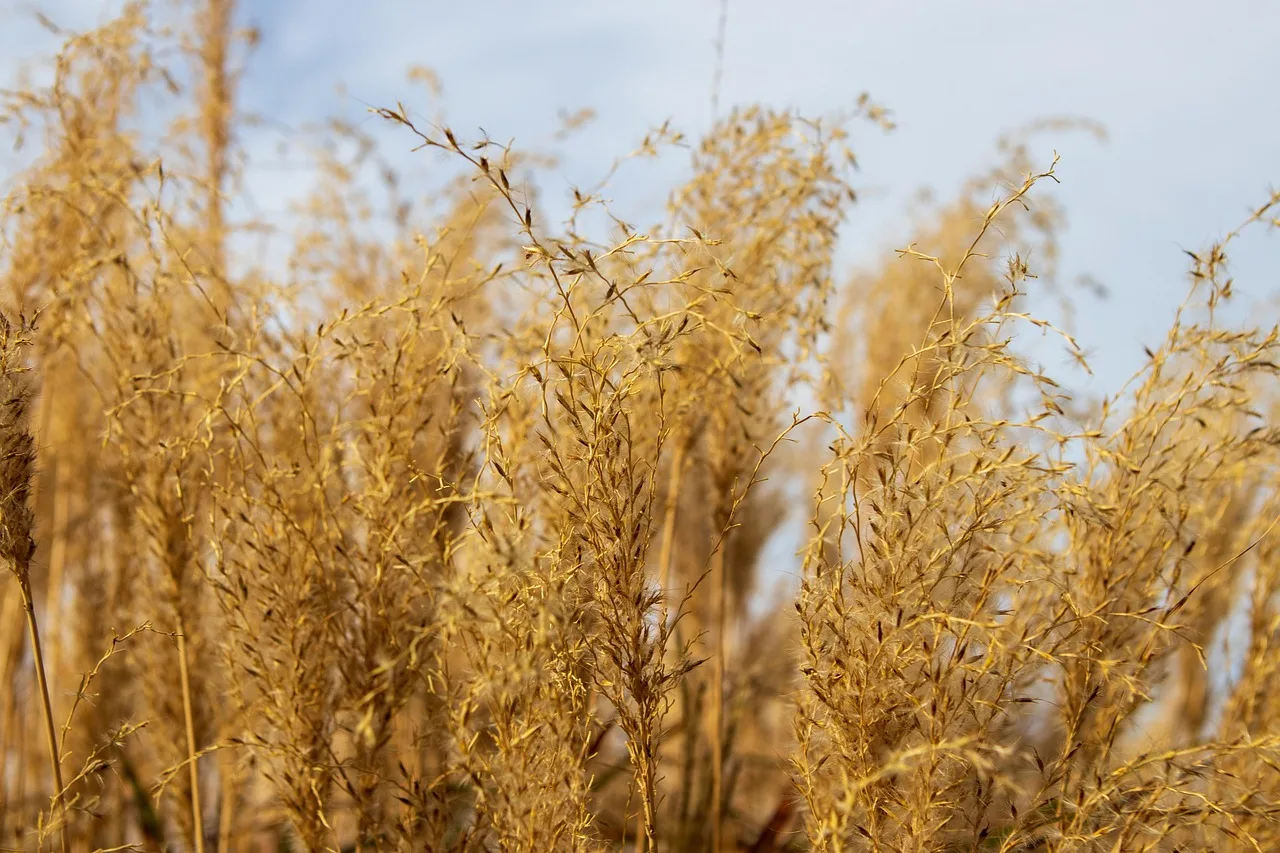
USDA's Plant Materials Program makes the case in Pollinators Need Native Grasses Too: grasses hold soil, protect waterways and shelter and feed wildlife.
Their part in the pollinator life cycle is often overlooked. In a home bed, grasses and sedges also keep perennials from flopping and bare soil covered.
A bed that splays open after rain is usually short of neighbors to lean on rather than short of stakes.
A workable ratio is roughly half the plant count in grasses or sedges, with flowering species placed in repeating groups among them.
Lesson two: local supply is a partnership, not a shelf
Regionally appropriate plants are produced by people who arranged to produce them. The Bureau of Land Management describes an Arizona native plant partnership in which plants headed for restoration work in the Sky Island region came from a joint effort between a BLM field office, a watershed partnership and a community college.
That is what stands behind a local nursery's inventory too. It explains why a species can be unavailable this spring, and why ordering months ahead gets you the plant you specified instead of the closest cultivar. It also explains why the plant deposit falls due months before anything is planted.
Lesson three: someone has to own the aftercare
Look at any planting that still looks good five years on and you will find a named person or group responsible for it. Projects that end at the ribbon-cutting revert to whatever grows on disturbed ground.
Aftercare owner checklist
- Name who waters
- Name who weeds
- List the months it happens
- Plan for two weeks away in August
Write it down for your own yard: who waters, who weeds, in which months, and what happens if that person is away for two weeks in August when it matters most.
Lesson four: phase it, and let phase one teach you
Documented projects are almost always staged. That is not caution; it is information gathering. Phase one tells you which corner floods, which species sulks, and how many hours a week the weeding actually takes.
Apply the results:
Lesson four: phase it
- keep the species that needed no attention and buy more of them;
- move or drop anything that needed rescue watering twice;
- widen paths that turned out too narrow before you plant alongside them;
- adjust the next order to the spacing that actually looked right.
Lesson five: records are the difference between a project and a hobby
Lesson five: records
| Record | Cost to keep | Value later |
|---|---|---|
| Plant list with sources | Minutes | Reordering exactly what worked |
| Dated photos from fixed points | Seconds | Seeing slow change |
| Watering and weeding log | A line per week | Proving what care was needed |
| Receipts by category | Filing | An honest budget for phase two |
Bring those records into the project plan and use them to shape the second-year maintenance routine. The households that expand successfully are the ones that can say what happened last year.