Water Saving Yard Products Checklist: Prep Before Picks
Use this water saving yard products checklist to prepare an existing irrigation system before choosing upgrades, from baseline readings to seasonal maintenance.

Use this water saving yard products checklist to prepare an existing irrigation system before choosing upgrades, from baseline readings to seasonal maintenance.
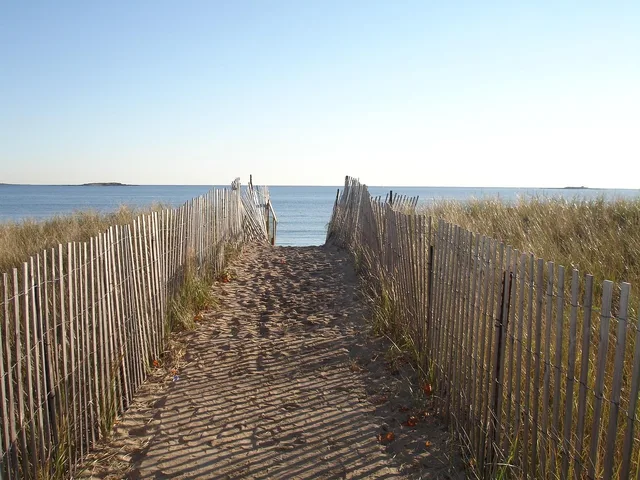
Coastal Maine native plants for fog, wind, and salt spray. Regional picks, lawn conversion, salt-flush watering, plus WaterSense and Miami coastal guides.
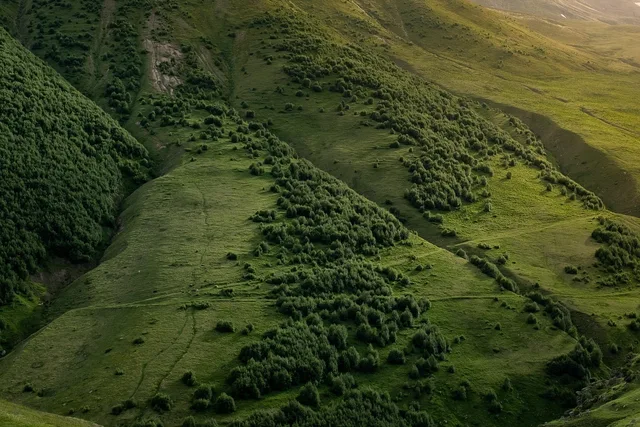
Learn how to use native plants for erosion control on slopes. Zone your hillside, plant on contour, water wisely, and maintain with regional and coastal tips.
Match native groundcovers and deep-rooted grasses to your slope grade, plant on contour, and use local rebates and rules to hold soil without endless watering.
Salt-tolerant native plants for Atlantic and Gulf coastal yards: regional picks, siting steps, and watering rules for each coast and its weather.
WaterSense labels irrigation controllers and sprinkler bodies, not whole yards. Here is what the label proves and where your water district takes over.
County extension agents, AgriLife databases and Wildflower Center tools turn a Texas yard into a native planting list that fits its soil and rainfall.
USDA NRCS and state extension offices give homeowners free soil tests, regional native plant lists, and conservation planning help for native yards.
The USDA plant hardiness zone map rates winter cold, not summer heat, so it screens perennials before you buy and never picks plants for you.
Xerces Society pollinator plants come as regional lists, so Oregon and Minnesota yards work from different species, bloom windows and pesticide rules.
Deer resistant native plants for New York gardens, ranked by the yard conditions where each zone 4 to 7 species works and what deer still eat.
Firewise landscaping native plants Sierra foothills means low fuel volume with high moisture. Four planting approaches compared for defensible space.
Comparing native grasses that replace a lawn in the Midwest: buffalo grass, sideoats grama, prairie dropseed and fine fescue, and when each one wins.
Native plants under oak trees in Austin have to survive dense shade and root competition. These five picks hold up without routine irrigation.
A rain garden on clay soil in Ohio needs a wide basin, compost amendment, and sedges that take both flood and drought. Check infiltration first.
Use this lawn replacement checklist to identify turf and soil, plan the replacement, remove it, plant, and care for the bed through its first year.
What actually happens when you convert lawn: identifying the turf, killing it properly, keeping the soil covered, and planting something that stays.
Before you shop for front yard plant combinations, work this checklist of eight steps: draw the site, find the right-of-way, dig the soil, test one bed.
Native landscaping starts with observing your site: track sun, standing water, soil, boundaries and watering needs before choosing plants or converting a bed.
Native yard projects planning covers site checks, regional plant examples and timing, utility safety, water-wise lawn conversion, and review through season two.
When hiring a native yard makeovers contractor, use these questions to clarify scope, plant sourcing, site sequencing, aftercare, bid details, and sign-off.
Native yard makeovers rules vary by location. Check grading, drainage, hardscape, watering restrictions, permits, and whether local support is available.
Questions for a water saving yard products contractor on irrigation audits, license verification, backflow testing, product choices, and system handover.
Denver water-wise landscaping for Front Range yards: native plant choices, HOA review, irrigation, soil, and practical low-water conversion guidance.
Turf rebate programs by state vary by paying agency: see the California base rate, Arizona’s typical city range, and San Antonio’s coupon rate.
Can a Texas HOA reject native plants? Texas law limits blanket bans on drought planting, but city rules and deed restrictions vary by subdivision.
Hiring a crew that will not repeat native garden mistakes: how to screen for a contractor who names risks, states the limits of their trade, controls substitutions.
Lawn replacement rebate California rules differ by water district, from pre-inspection to plant lists. Here is what the paperwork needs and what voids a payout.
Native garden mistakes rules: five errors — curb strips, watering restrictions, protected trees, verbal approvals, utility locating — and how to avoid them.
A lawn replacement contractor checklist for grass ID, verified pesticide credentials, written disposal terms, 811 utility locating, regrowth, and planting.
Fourteen questions that tell you whether a designer or crew can actually deliver a native front yard, and the paperwork to ask for before signing.
How permits and local codes affect native yard costs: permit fees are the small part. Drawings, surveys, inspections, licensed trades, revisions and delay costs.
Native landscaping rules: which office to ask about a weed ordinance, a curb-strip plant list, a permit, a noxious weed list and your HOA covenant.
A native landscaping costs contractor bid should spell out scope, quantities, allowances, plant sources and exclusions so bids are comparable before you sign.
The questions that separate a native-plant specialist from a mow-and-blow crew, plus the contract terms that keep substitutions and watering honest.
Approvals, plant ordering and ground preparation set the pace of a native yard makeover. See what each waits on and how to hold the schedule when one slips.
Small-space native makeovers that: entry beds, narrow side yards, patios and compact front yards, five small makeovers that finish in a weekend and still change how.
Native plant nurseries by region face fire seasons that interrupt supply, forcing growers to shift shipping schedules and limit what they can sell.
Miami native salt-tolerant plants like sea grape and cocoplum anchor coastal yards against salt spray and hurricanes, with local extension guidance.
Portland rain garden native plants: five Pacific Northwest natives, including red osier dogwood and Oregon grape, plus sizing rules from OSU Extension.
Use this native garden mistakes timeline to plan a regional plant list, avoid sourcing and planting errors, and review establishment before expanding.
Six native garden mistakes cost homeowners time and money, from planting in the wrong spot to skipping the trial bed that would have caught it.
This native landscaping costs timeline follows spending phases—not dollar amounts—with plant ordering, removal, installation, and aftercare.
A month-by-month native landscaping timeline: observation, sourcing lead times, preparing the ground in month five, and judging establishment.
Twelve native front-yard planting recipes built from roles rather than shopping lists, with the regional species that usually fill each role.
How climate changes: heat, drought, wind, flooding and shifting seasons all narrow a native plant list. How to read your local conditions instead of national advice.
A framework for regional native plants by region, with sample species for broad U.S. regions and checks for provenance, climate, water needs, and fire history.
How to convert a small area for very little: sheet mulching over turf, plugs and seed, plant swaps, and the savings that turn out to be false.
Native landscaping ideas for tight spaces: real bed size, balcony containers, layered small beds, clean edges, and mulch that holds up in a narrow strip.
This water saving yard products comparison weighs irrigation types, not brands: weather versus soil control, drip versus spray, and manual versus automatic.
What to look for in water-saving yard products: a review framework for irrigation controllers, moisture sensors, pressure regulators, drip parts and leak monitors.
A practical guide to native plant nurseries reviews: why seed quality matters, what labels show, and how to compare suppliers with a germination trial.
Turf rebate rules by city: who pays in Los Angeles, Phoenix and Austin, what each inspects, which lawns qualify, and what disqualifies a claim.
Native plant nurseries comparison covers honest plant descriptions and premium services worth the cost, helping gardeners choose the right grower.
Lawn replacement materials compared for cost and upkeep: what can replace turf, planted matrix, no-mow grass, seeded meadow, mulch, gravel or hardscape.
US homeowners weigh four native front-yard choices: formal or naturalistic design, plugs or larger stock, straight species or cultivars, and phased planting.
Native yard tools compared by name, from AMS soil probes to Fiskars edgers, with what each tool does and which ones earn a spot in the shed.
A practical way to judge a native plant for your yard: geographic evidence, site fit, mature behavior, upkeep load and whether you can actually buy it.
How to run your own regional native plants reviews: check roots, read seed labels and test dates, compare regional species, and keep honest one-variable notes.
A ranking of yard upgrades for a home yard by daily effect and time to pay off, covering shade trees, turf removal, insect layers, rain gardens and paths.
A regional native plant list by region and yard role, with species such as live oak, manzanita, and switchgrass, plus plants and traits to skip.
Six regrets from whole yard native makeovers: no stated goal, rushed site prep, lost access for bins and equipment, no staging area, and aftercare nobody owns.
The best water-saving yard products, ranked on measured flow, pressure tolerance and repairability, with the criteria used to judge each one.
How to track native plant nursery purchases by supplier, origin and survival, log substitutions, and run one annual review to decide next year's reorder.
The five regrets people describe after a first native garden, from clearing too much ground to quitting in year two, with a prevention table for each.
Six expensive mistakes in native gardens, from weak plant evidence and ignored drainage to clearing too much ground, and the check that prevents each.
Lawn replacement problems include regrowing turf, weed flushes, erosion, and irrigation mistakes. Learn how to contain setbacks and prepare for native planting.
In year two, replace the watering schedule with a test. Dig to root depth, read the soil and the plants, and keep the hose for heat waves.
Regional native plants maintenance follows local frost and growth cues, with timing for cutbacks, spread checks, divisions, and water-wise care.
Front yard plant combinations problems and their fixes: scattered species, floppy perennials, bare soil, weeds that return, a dead corner, and a messy edge.
Native landscaping costs lessons from five budget regrets: itemize work, fund aftercare, approve substitutions, and plan long term; no price figures.
The five regrets that can follow a native conversion, from clearing too much at once to skipping establishment water, and a fix for each one.
Four ways to run a native yard makeover, from a weekend volunteer planting to a phased whole-property conversion, with the cost drivers and risks of each.
Searching for native plant nurseries case studies? This regional grower directory offers five lessons on phasing, availability, relationships, and records.
Where to buy native plants in the United States, from regional growers and seed houses to society sales and conservation district seedlings.
Five lessons from native planting projects: grasses hold beds, local supply is a partnership, aftercare needs an owner, and phasing and records guide year two.
Regional native plants case studies examine one Baskett Slough prairie, its documented flora and home-garden lessons, plus a Sonoran seed-collection example.
Water saving yard products pay back only after a diagnosis: the spending order, the cost lines vendors leave out, how to work out your own payback and rebates.
Costing a lawn conversion honestly: removal and disposal, replacement planting, irrigation changes, two seasons of aftercare and the rebate fine print.
Five checks decide whether a front yard plant combination works, covering water, soil, height, bloom timing and the rules your city enforces.
Check native landscaping bids bucket by bucket: the eight lines an estimate must cover, the one most often left out, and how to build a number you can trust.
Industry
Four ways to run a native yard makeover, from a weekend volunteer planting to a phased whole-property conversion, with the cost drivers and risks of each.
Reviews
What to look for in water-saving yard products: a review framework for irrigation controllers, moisture sensors, pressure regulators, drip parts and leak monitors.
Rules
Denver water-wise landscaping for Front Range yards: native plant choices, HOA review, irrigation, soil, and practical low-water conversion guidance.
Guides
WaterSense labels irrigation controllers and sprinkler bodies, not whole yards. Here is what the label proves and where your water district takes over.
Features
Miami native salt-tolerant plants like sea grape and cocoplum anchor coastal yards against salt spray and hurricanes, with local extension guidance.
Features
Portland rain garden native plants: five Pacific Northwest natives, including red osier dogwood and Oregon grape, plus sizing rules from OSU Extension.
Rules
When hiring a native yard makeovers contractor, use these questions to clarify scope, plant sourcing, site sequencing, aftercare, bid details, and sign-off.
Features
Approvals, plant ordering and ground preparation set the pace of a native yard makeover. See what each waits on and how to hold the schedule when one slips.
Maintenance
Six regrets from whole yard native makeovers: no stated goal, rushed site prep, lost access for bins and equipment, no staging area, and aftercare nobody owns.
Features
Small-space native makeovers that: entry beds, narrow side yards, patios and compact front yards, five small makeovers that finish in a weekend and still change how.