Guides
Coastal Maine native plants for fog, wind, and salt spray
Coastal Maine native plants for fog, wind, and salt spray. Regional picks, lawn conversion, salt-flush watering, plus WaterSense and Miami coastal guides.
What to take away
- Coastal Maine native plants must handle fog, wind, and winter salt spray, not just cold.
- Zone your yard by exposurefront dune, windward edge, and sheltered back border need different species.
- Water deeply and less often, then flush salt from soil during dry spells.
- Replace lawn in strips where turf already fails, and check rebates for native plantings.
- The WaterSense program labels irrigation controllers, not whole yards.
Coastal Maine exposure: fog, wind, and salt spray
Maine's coast runs from Kittery to Eastport. Fog sits for days. Wind comes off the water at 20 to 40 mph in nor'easters. Salt spray lands on buds, needles, and soil. Winter road salt adds another dose near Route 1 and town roads.
These conditions change plant choice. Inland Maine natives may survive cold, but coastal fog and salt can still kill them. Coastal erosion research explains how wind and salt spray shape exposed shorelines, which helps you read your own site.
Watering also changes. Fog keeps leaves wet but does not soak roots. Wind dries soil fast on south and west slopes. Salt spray raises sodium in leaf tissue. A plant that looks fine in June may decline after a February gale.
Native plants for Maine coastal gardens
Start with species that evolved on the Northeast coast. Maine native plants for coastal gardens include beachgrass, bayberry, beach plum, and seaside goldenrod. They handle salt spray, lean soil, and wind pruning.
| Plant | Best exposure | Salt spray | Garden role |
|---|---|---|---|
| American beachgrass | Front dune | High | Holds sand, spreads by rhizome |
| Northern bayberry | Windward edge | High | Semi-evergreen shrub, nitrogen fixing |
| Beach plum | Full sun | High | Spring flowers, fruit for wildlife |
| Seaside goldenrod | Full sun | Medium to high | Late nectar, handles fog |
| Eastern red cedar | Exposed | Medium | Evergreen windbreak |
| Winterberry | Sheltered wet spots | Low to medium | Berries, needs male pollinator |
Match each plant to its zone. Beachgrass belongs at the front dune. Bayberry and beach plum work on the windward edge. Winterberry needs a sheltered wet spot and a male pollinator nearby.
For a warm-humid contrast, the Miami salt-tolerant coastal planting guide shows how sea grape and cocoplum anchor Florida dunes.
Watering after salt and wind
Salt spray and road salt both add sodium and chloride to soil. Road salt effects on plants include leaf burn, stunted roots, and dieback on sensitive species. Deep watering during dry weeks moves salts below the root zone.
Do not water every day. Coastal Maine soils often stay cool and damp in fog. Check moisture 6 inches down. Water when the top 6 inches feel dry, then stop. More plants die from wet roots than from drought in this climate.
The WaterSense native yard watering guide explains what the label covers before you buy a controller.
WaterSense outdoor tips list rebate programs for smart controllers and mulch. Your local water district may add its own rules for new plantings.
A rain gauge and a soil moisture meter cost less than replacing dead shrubs. Use them after every salt event.
Lawn conversion for exposed coastal lots
Lawn fails first on the windward side. Salt burn, sand blast, and winter freeze lift roots. Convert that strip before you plant the whole yard.
- Test soil for pH, lead, and drainage. Maine coastal soils often run acidic and sandy.
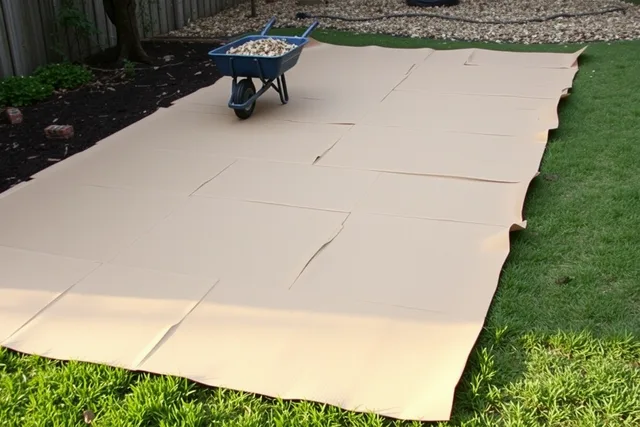
- Smother turf with 4 to 6 inches of arborist chips or a sheet of cardboard. Wait one growing season.
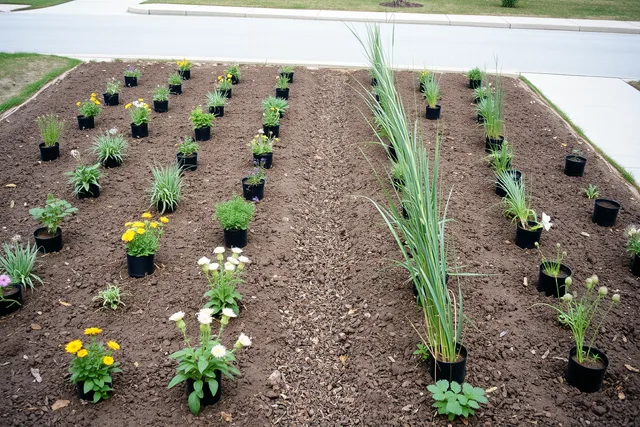
- Plant plugs or quart containers in fall. Roots establish before winter heave.
- Mulch with 2 to 3 inches of bark or pine straw. Keep mulch off stems.
- Water deeply once a week for the first year, then taper off.
A windward lawn that dies every February is not a lawn problem. It is a site clue.
Check town rules and homeowners association covenants before you remove turf. Some rules require a mowed front edge or a permit.
Example: A Boothbay Harbor front yard planting plan
A 900 square foot front yard faces southwest. Fog rolls in most mornings. Winter wind carries salt from the harbor.
Boothbay Harbor front yard planting plan
- Front 10 feetAmerican beachgrass plugs, 12 inches apart.
- Windward edgenorthern bayberry and beach plum, spaced 4 feet apart.
- Mid-yardseaside goldenrod and lowbush blueberry.
- Back bordereastern red cedar and winterberry for birds.
This plan uses salt-tolerant native plants and no permanent irrigation. A drip line on a timer runs only in July and August.
In Canada, coastal gardeners can check Environment and Climate Change Canada for water quality and road salt impact information.