Guides
Native Plants for Erosion Control on Slopes: A US How-To Guide
Learn how to use native plants for erosion control on slopes. Zone your hillside, plant on contour, water wisely, and maintain with regional and coastal tips.
What to take away
- Zone your slope into top, middle, and bottom sections before you buy plants.
- Deep-rooted native grasses and shrubs hold soil better than shallow lawn roots.
- Plant plugs or bare roots on contour, not in straight rows down the hill.
- Water slowly and deeply for the first two seasons to establish roots.
- Check local rules and rebates, including WaterSense labeled controllers.
How slope zones change what you plant
A slope is not one planting area. Water runs down, soil moves, and sunlight changes from top to bottom. Treat the top, middle, and bottom as separate zones. Each zone needs native plants that match its moisture and root depth. Zoning prevents you from putting a water-loving plant at the dry top of the hill.
| Zone | Conditions | Native plant examples |
|---|---|---|
| Top of slope | Drier, exposed, wind | Little bluestem, butterfly weed, prairie dropseed |
| Middle slope | Main erosion path, medium moisture | Switchgrass, Pennsylvania sedge, lowbush blueberry |
| Bottom of slope | Wet, collects runoff | Joe Pye weed, swamp milkweed, cardinal flower |
These plants are examples for many US regions. Your local extension office or native plant society can confirm what grows in your state. The NRCS technical resources on native grasses and conservation planting help you choose species with deep root systems.
Steps to plant a native slope
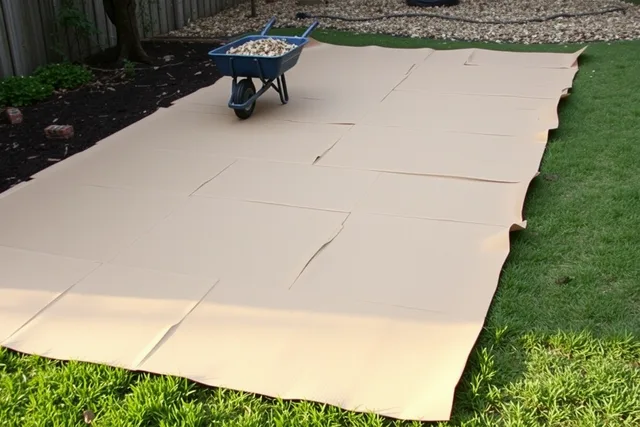
- Clear invasive plants and smother or remove lawn. Do not till the slope, which loosens soil.
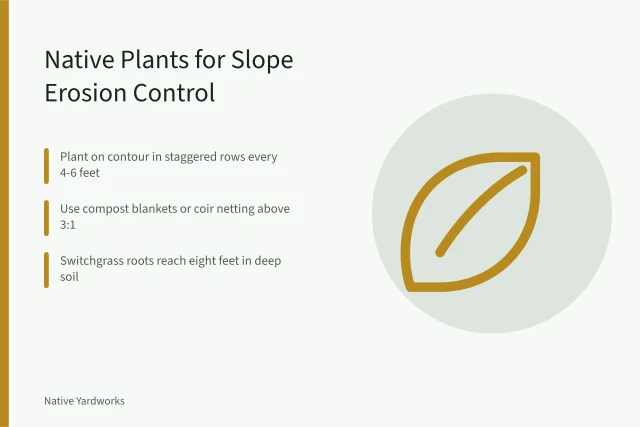
- Install erosion control blankets or coir wattles on contour. These hold soil while roots grow.
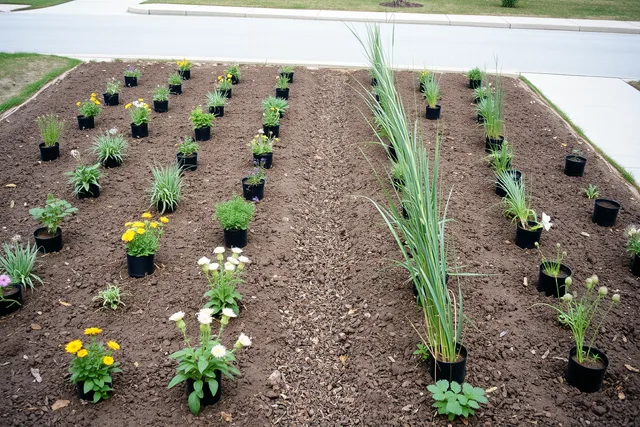
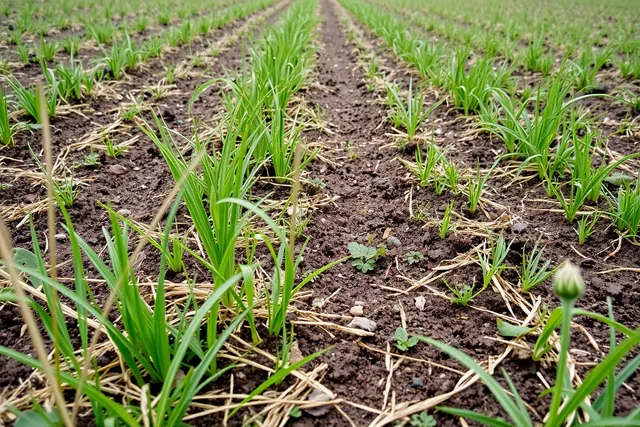
- Plant plugs on contour lines, spaced 12 to 18 inches apart. Use a planting bar or trowel.
- Water each plug immediately and mulch with coarse wood chips, leaving a small ring around stems.
- Water deeply once a week for the first season, then taper off.
At the base of the slope, a rain garden can capture runoff, and the EPA guidance on rain gardens includes design considerations for clay soils. This step keeps muddy runoff out of storm drains.
Watering new native plantings on a slope
Watering a slope is not like watering a lawn. Runoff carries water away before it soaks in. Use drip irrigation or a soaker hose on contour. Cycle the water on and off to let it absorb. A WaterSense labeled controller can help schedule these cycles.
The EPA WaterSense program labels irrigation controllers and sprinkler bodies, not whole yards. The label proves the device meets water efficiency criteria. Your water district or utility may offer rebates for these devices. This guide to EPA WaterSense native watering explains the label and local rebates. Check with your water provider before you buy a controller.
Maintaining hillside natives
- Inspect after heavy rain for rills or exposed roots.
- Pull weeds before they seed, especially in the first two years.
- Cut back warm-season grasses in late winter or early spring.
- Replenish mulch on bare spots, but keep it away from stems.
Deer often browse new plantings on slopes, so check the New York DEC list of deer-resistant native plants before you finalize your palette. Fencing may be needed until plants are established.
Regional and coastal considerations
Native plant lists differ by region. The Midwest relies on big bluestem and Indian grass, while the Southeast uses wiregrass and muhly grass. In the Northeast, little bluestem and switchgrass work well on slopes.
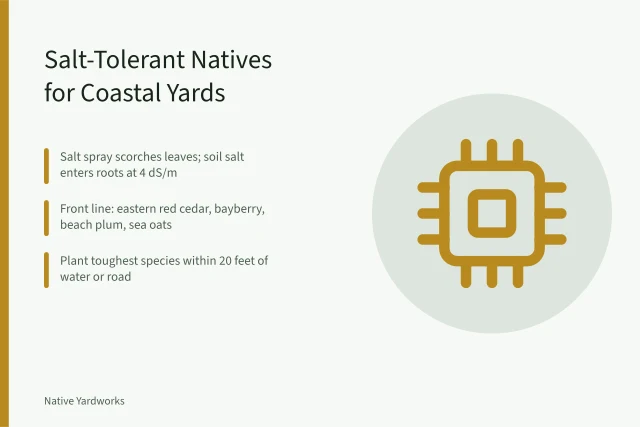
If your slope sits near the coast, salt spray and wind change the plant list. Miami native plants for salt tolerance and coastal resilience shows how sea grape and cocoplum anchor coastal yards against hurricanes.