Guides
Part of How to approach lawn replacement: never leave bare soil
Lawn replacement checklist: 6 phases through year one
Use this lawn replacement checklist to identify turf and soil, plan the replacement, remove it, plant, and care for the bed through its first year.
What to take away
Use this lawn replacement checklist in order:
- Check whether your water utility offers a turf rebate and what it requires before removal.
- Identify the turf and the soil before choosing a removal method.
- Nothing gets removed until the replacement planting is ordered.
- The checklist does not end at planting day; it ends after the first summer.
Phase one: decide and check
- Walk the yard and mark where feet actually go. That turf stays.
- Measure the conversion area in square feet.
- Read the local vegetation ordinance and any HOA standard.
- Confirm the right-of-way boundary if the area touches the street.
- Call your water utility and ask about turf rebates and their conditions.
- Photograph the whole area from two fixed points.
Local technical help is closer than most people think. USDA notes that its Service Centers are in nearly every county across the United States, and county extension offices sit alongside them. Both can point you at regionally appropriate guidance before you commit.
Phase two: identify what you have
- Name the turf species and whether it spreads by rhizome or stolon.
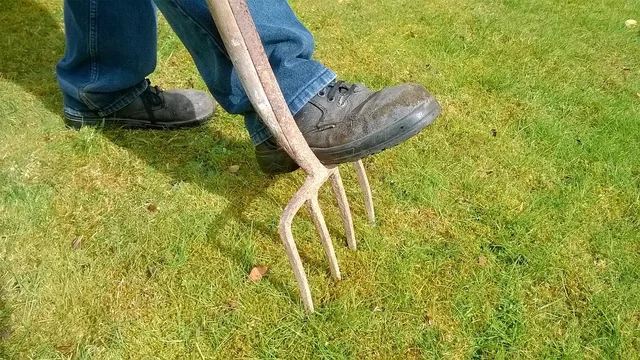
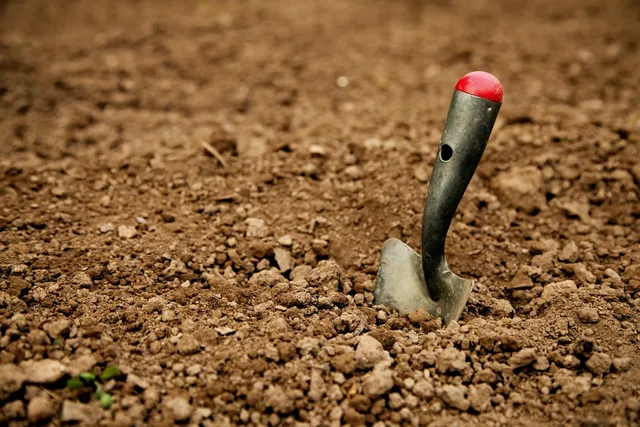
- Dig a foot-deep hole and note topsoil depth, compaction and drainage.
- Send a soil sample to the lab your extension office recommends.
- Note where water stands after a storm and where the ground bakes.
Soil varies enormously from place to place, which is why every state has adopted a representative state soil, twenty of them established in law. Your yard will not match the mapped unit exactly, and the hole is what settles it.
Phase Two: Identify What You Have
- Name turf species and spread type
- Dig foot-deep hole for soil profile
- Send soil sample to recommended lab
- Note standing water and baked spots
Phase three: plan the replacement before removing anything
- Choose the replacement typeplanted matrix, seed, shrubs or a hard surface, compared on up-front cost and upkeep after year three.
- Write the plant list with scientific names, counts and pot sizes.
- Order plants or seed, with delivery timed to the planting window.
- Decide the irrigation changecap, convert or leave.
- Book removal for the season before planting where possible.
Ordering before removal is the rule that keeps this sequence honest. A yard cleared in April with nothing ordered becomes a weed bed by June, and the plants you then buy in a panic are whatever the nearest retailer has on the shelf.
Ordering first also tells you the real planting date, since a grower's ship window sets the schedule more reliably than your calendar. Popular straight species sell out well before the window, which is why the order goes in as soon as the list is final.
Phase four: remove and cover
- Confirm utility locating before any digging.
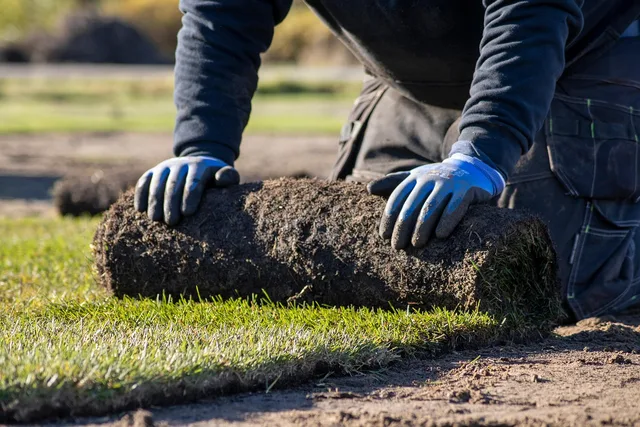
- Remove or smother the turf using the method matched to the grass.
- Keep the soil covered at every stage, with sod, cardboard, mulch or plants.
- Cap or adjust irrigation heads so they are not watering bare ground.
Phase five: plant
- Set plants out in their pots and check spacing against mature widths.
- Plant at the correct depth, water in thoroughly, mulch and label.
- Photograph the finished bed from the same two fixed points.
- Write the watering plan on the calendar with dates, not intentions.
Phase six: the first year
| When | Task |
|---|---|
| Weeks 1 to 6 | Check moisture at root depth twice a week |
| Month 2 onward | Water on a soil test, not a schedule |
| Every visit | Pull weeds while they are small and identifiable |
| Fall | Photograph, note losses, order replacements |
| Following spring | Staged cutback, replace failures, top up mulch |
Continue the moisture checks through the first year. During weeks 1 to 6, check moisture at root depth twice a week; from month 2 onward, use soil conditions to decide when to water, and keep the plan on your calendar.
Work through the whole sequence alongside the plain-English explainer, and price it with the lawn conversion budget method.