Maintenance
Part of Native garden mistakes: what costs people time and money
What people regret most after their first native garden
Five regrets people describe after a first native garden: too much ground cleared, no water plan, vague bids, wrong scale and abandoned maintenance.
What to take away
- The regret is almost never the plant choice. It is the scale of the commitment.
- People wish they had watered more in year one and less in year three.
- Vague scopes produce disappointing work that nobody can be held to.
- Habitat results arrive slowly, and most people quit before seeing them.
Regret: taking on too much ground at once
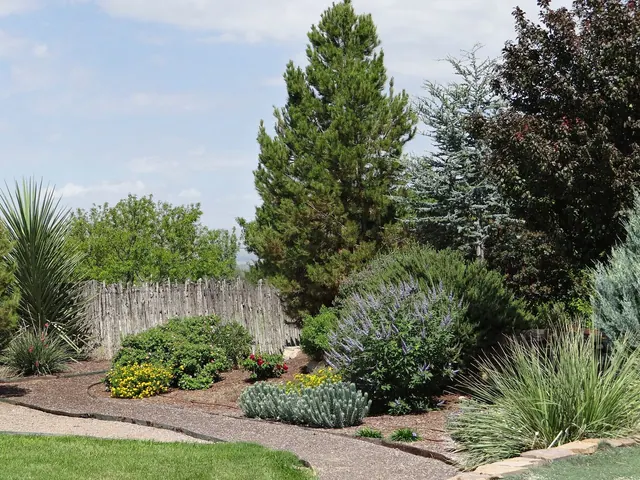
Ask anyone two years into a converted yard what they would change, and the answer is usually the size of phase one. A quarter of the area, done properly, produces a better result and a better mood than the whole yard done thinly. Forty square feet run for one season is enough to price the weeding before you commit.
Shrinking the area is also the only reliable way to shrink the weeding, which is the labor that actually causes people to give up on the whole project.
Regret: no water plan for year one
The second most common regret is treating "native" as "needs nothing". New plants need water while their roots leave the pot, and skipping that costs the plant line twice.
The opposite regret appears later: irrigation still running on the old lawn schedule in year three, rotting the crowns of dry-adapted species. Both mistakes come from watering on a calendar instead of on a test, and both are fixed the same way, by digging to root depth before turning anything on.
Regret: hiring against a vague scope
"Install a native garden" is not a scope. It produces a bed that is technically compliant and not what anyone wanted, and there is no document to argue from.
Write the area, the plant list with counts, the spacing, the mulch depth, the edge treatment and the aftercare. That one page is also what makes competing quotes mean anything. Then a disappointing result is a contractual question rather than a matter of taste.
Regret: expecting habitat results in year one
Wildlife arrives on its own schedule, and the numbers involved are large and slow. The Fish and Wildlife Service notes on its monarch species page that monarchs are known for both an extraordinary long-distance migration and recent declines, and that the species points to the need for pollinator conservation nationally.
A single yard joins that effort at the margin. The right expectation is more insects each year, not a transformed population in one summer.
Regret: not realizing how much private land matters
People underrate their own contribution and then quit. USDA points out that two-thirds of the land in the lower 48 states is privately owned, and that producers working with the agency have conserved millions of acres of habitat from western sagebrush and grasslands to eastern forests.
The residential version of that arithmetic is straightforward: private ground is where most of the opportunity is, and small plantings connected across a neighborhood do more than any single one of them alone.
The regret table
| Regret | Prevention | When to act |
|---|---|---|
| Too much area | Phase it | Before removal |
| No water plan | Written schedule with an owner | Before planting |
| Vague scope | Itemized plan and plant list | Before bidding |
| Impatience | Realistic expectations, photo record | Ongoing |
| Quitting in year two | Smaller area, better records | Before expanding |
Compare with the general list of costly mistakes and with the regrets reported about native plantings generally.
Common questions
When does a native bed start looking good? Commonly the third growing season, sometimes the second in a fast-establishing planting.
Is it normal to lose plants? Yes. Losing 5 to 15 percent in the first two seasons is ordinary.
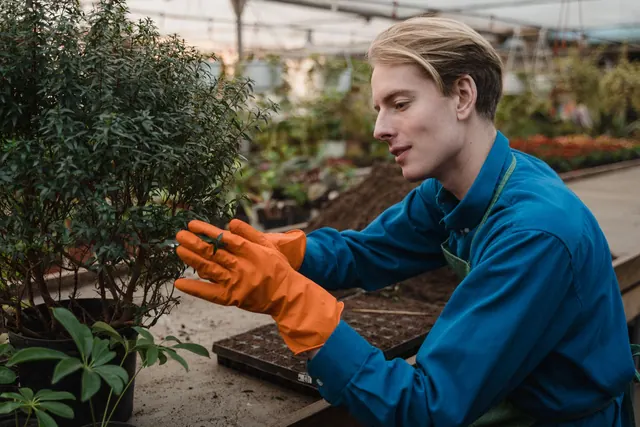
Should I hire out the maintenance? If it is the difference between continuing and giving up, yes. Specify what the crew may and may not cut.
What one change would prevent most regret? Halve the size of phase one and spend the difference on plant density and aftercare.