Maintenance
Part of Native landscaping: observe your yard before planting
Five native landscaping regrets homeowners have and how to avoid them
The five regrets that can follow a native conversion, from clearing too much at once to skipping establishment water, and a fix for each one.
What to take away
- Clearing the whole yard in one weekend creates a weed problem that lasts years.
- Plants bought on looks outgrow their spot faster than anyone expects.
- Skipping the establishment watering kills more natives than drought does.
- Cutting everything down in fall removes the habitat you planted for.
Regret one: removing everything at once
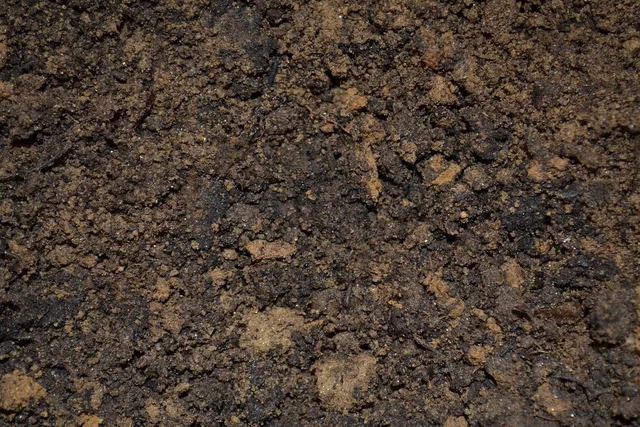
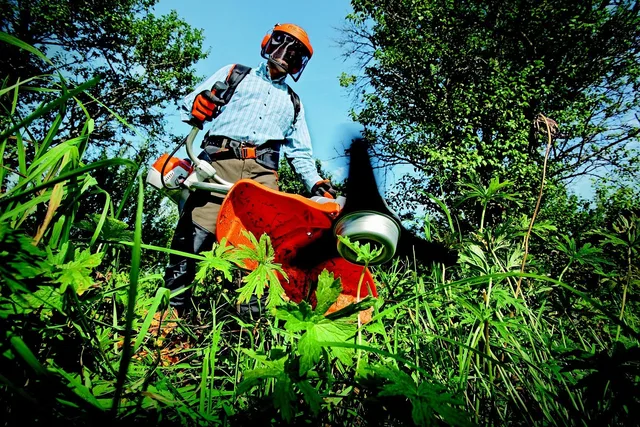
Bare soil is an invitation. Every weed seed already in the ground gets light, and nothing competes with it. Owners who strip a full yard usually spend the next two summers weeding ground they have not planted yet.
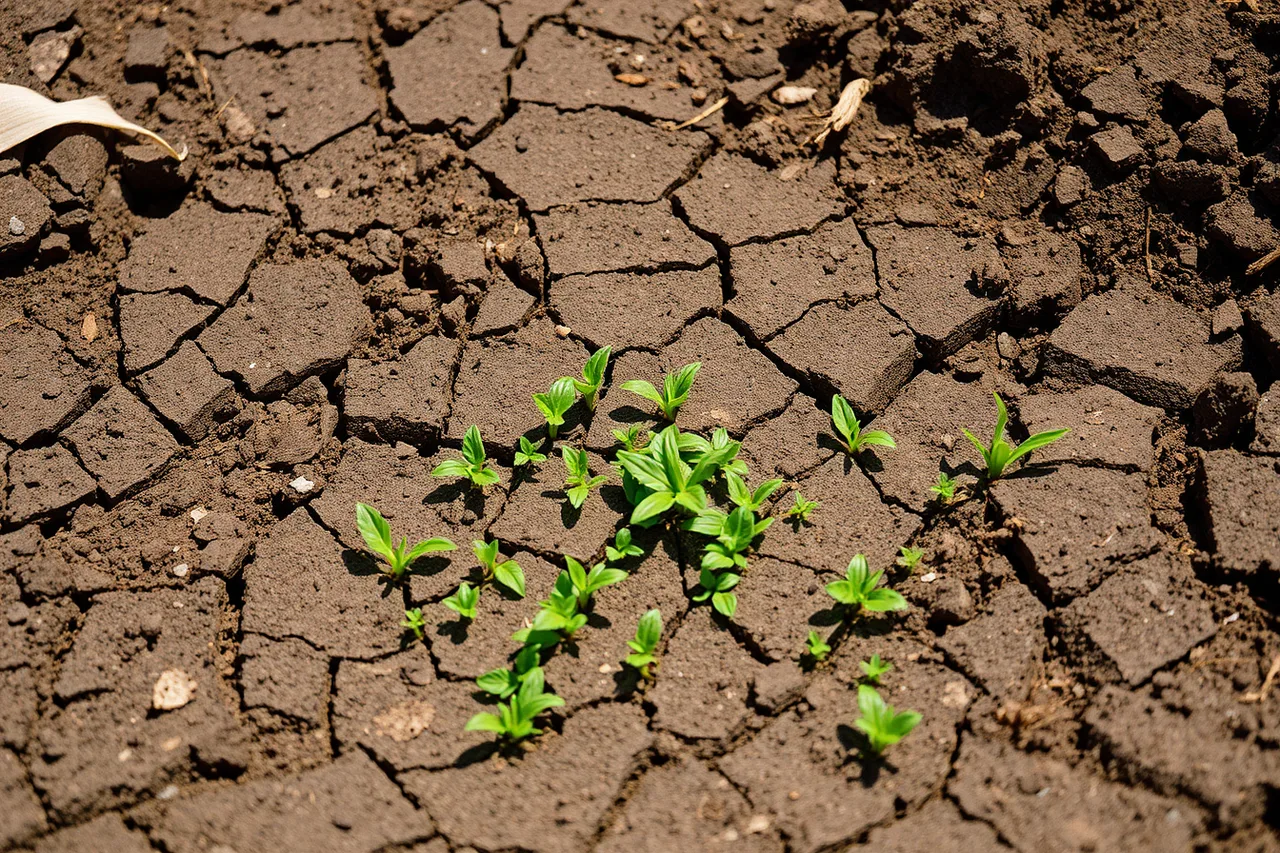
Compaction makes it worse. Heavy equipment and repeated foot traffic press air out of the soil on an open lot.
USDA material on the biology of soil compaction treats it as something producers must actively fight and reverse, not a cosmetic issue. Roots and water both move badly through it.
The fix is boring: clear only the area you will plant this season.
Regret two: buying on flower color
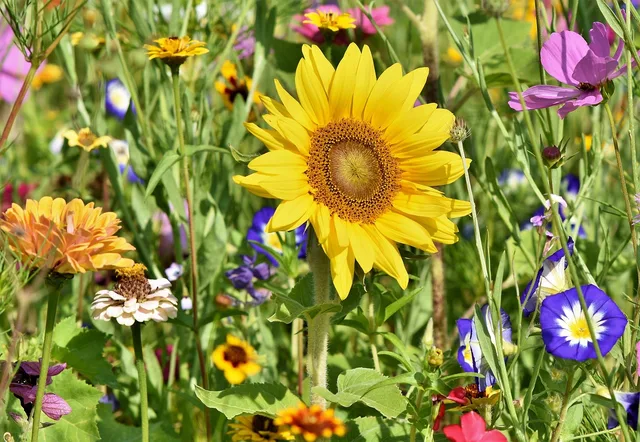
A plant chosen from a photograph is a plant chosen at its best week. What matters is what it does for the other 51. Ask three questions before buying: how wide at maturity, what does it look like in March, and does it spread by seed or runner.
The plants people pull out later are rarely the dull ones. They are the fast, showy spreaders that filled the bed in year two and buried the neighbors in year three. Catching that early is a matter of marking how far each plant travels every spring.
Spacing is the other half of this regret. A bed planted at mature spacing looks thin for two seasons, so almost everyone adds more plants.
Two years later, that owner divides, moves, and composts the extras, and if gaps bother you, fill them with mulch or a short-lived cover, not permanent plants you must remove.
Regret three: assuming natives never need water
This is the single most expensive misunderstanding. Nursery stock arrives with roots confined to a pot of potting mix. Until those roots grow into site soil, the plant can dry out even in wet ground.
Plan the first season like this:
- water deeply after planting, then on a check-the-soil basis rather than a fixed day;
- dig a finger or a trowel to root depth before deciding;
- taper off through the second season instead of stopping at the first cold snap;
- treat containers and hot west-facing beds as separate, thirstier cases.
Regret four: fall clean-up that erases the point
Cutting every stem to the ground in October is tidy and counterproductive.
The Fish and Wildlife Service's guidance on winterizing a pollinator garden says overwintering pollinators hunker down in the garden through cold months, not gone. Hollow stems, leaf litter, and standing seed heads are habitat, not neglect.
A middle path works in a visible front yard: cut a clean border, leave the interior standing, and clear in stages as spring warms. That staged cutback is also one of the low-effort answers when neighbors call a bed unkept.
Regret five: no written plan, no recourse
Without a drawn plan and a plant list, there is nothing to compare the finished job against. Substitutions get made quietly, spacing drifts, and the establishment watering that was discussed verbally never happens.
Fix it before work starts. Follow the planning sequence in the main guide, and if you are hiring, use a written scope when comparing contractors so substitutions need your approval in writing.