Maintenance
Part of How to judge a native plant for your own yard: ecoregion, habitat and upkeep
Which part of regional native plants maintenance really comes down to the yearly rhythm?
Regional native plants maintenance follows local frost and growth cues, with timing for cutbacks, spread checks, divisions, and water-wise care.
What to take away
- Regional native plants maintenance starts with a current identity record.
- Track spread each spring; that is where future work is created.
- Cut back on species timing, not on a single date.
- Height and cover are habitat, so leave more standing than instinct suggests.
Keep the plant record alive
By year two the labels are fading and the plan is in a drawer. Rebuild the record once a year: walk the bed with the plan, confirm what is where, note what died, and mark anything you can no longer identify.
Ten minutes in May saves an hour of guessing in April. It also lets you reorder exactly what worked instead of approximating it.
Check spread before it becomes work
Every spring, mark how far each clumping plant has widened and how far each spreader has traveled. Compare with last year's photo.
Act on the trend, not the crisis:
- clumping speciesdivide when the center thins or the clump crowds a neighbor;
- rhizomatous speciescut a spade line around them annually to hold the boundary;
- self-seedersremove seedlings where you do not want them, in their first year;
- woody speciesprune for structure in the dormant season, not by shearing.
Examples make the categories easier to recognize: little bluestem (Schizachyrium scoparium) is a clumping grass, common milkweed (Asclepias syriaca) spreads by rhizomes, and purple coneflower (Echinacea purpurea) can self-seed. Confirm each plant's behavior and suitability in your area before managing it.
Cut back on species time
Timing varies by region and plant. In the Midwest, cut Warm-season grasses such as little bluestem (Schizachyrium scoparium) in late winter, before new shoots emerge; in the Northeast, leave purple coneflower (Echinacea purpurea) seedheads through winter and cut stems in early spring. Oakleaf hydrangea (Hydrangea quercifolia), native to the Southeast, flowers on old wood, so prune it after flowering rather than in fall. Check your state Cooperative Extension's native-plant guidance and the USDA Plant Hardiness Zone Map for regional context; zones indicate winter cold, not an exact cutback date.
The Bureau of Land Management's account of sage-grouse nesting cover describes how vegetation structure matters in sagebrush-steppe habitat. It notes that taller cover generally means a greater chance of a successful hatch, with sagebrush and native grasses forming a protective canopy over the forbs that feed nesting hens.
That landscape-scale account is not direct evidence for every home garden. In a yard, leaving some stems and seedheads can provide shelter and forage, but match the planting's height and density to local wildlife guidance, fire safety, and sightlines.
Watering by exception
Established native plantings often need less supplemental irrigation once roots are established, but drought, soil, and species matter. Reserve water for prolonged dry spells, newly divided plants, and transplants, and follow your local water utility's restrictions; EPA WaterSense offers water-efficient landscape guidance. Those divisions are also the cheapest plants you will ever put in.
Check moisture at root depth by digging rather than guessing. Water when the soil there is dry or plants show stress, instead of following a fixed lawn schedule.
Watch for the opposite problem too. An irrigation zone left running on its old lawn schedule will slowly rot the crowns of dry-adapted species, and the symptoms look enough like drought that people respond by watering more. If a plant declines in a wet spring, check the drainage and the timer before you reach for the hose.
Let the free labor do its job
An established planting recruits help. The Fish and Wildlife Service's guide to backyard bats points out that bats are nature's insect control, keeping mosquito numbers down along with pests that eat garden plants.
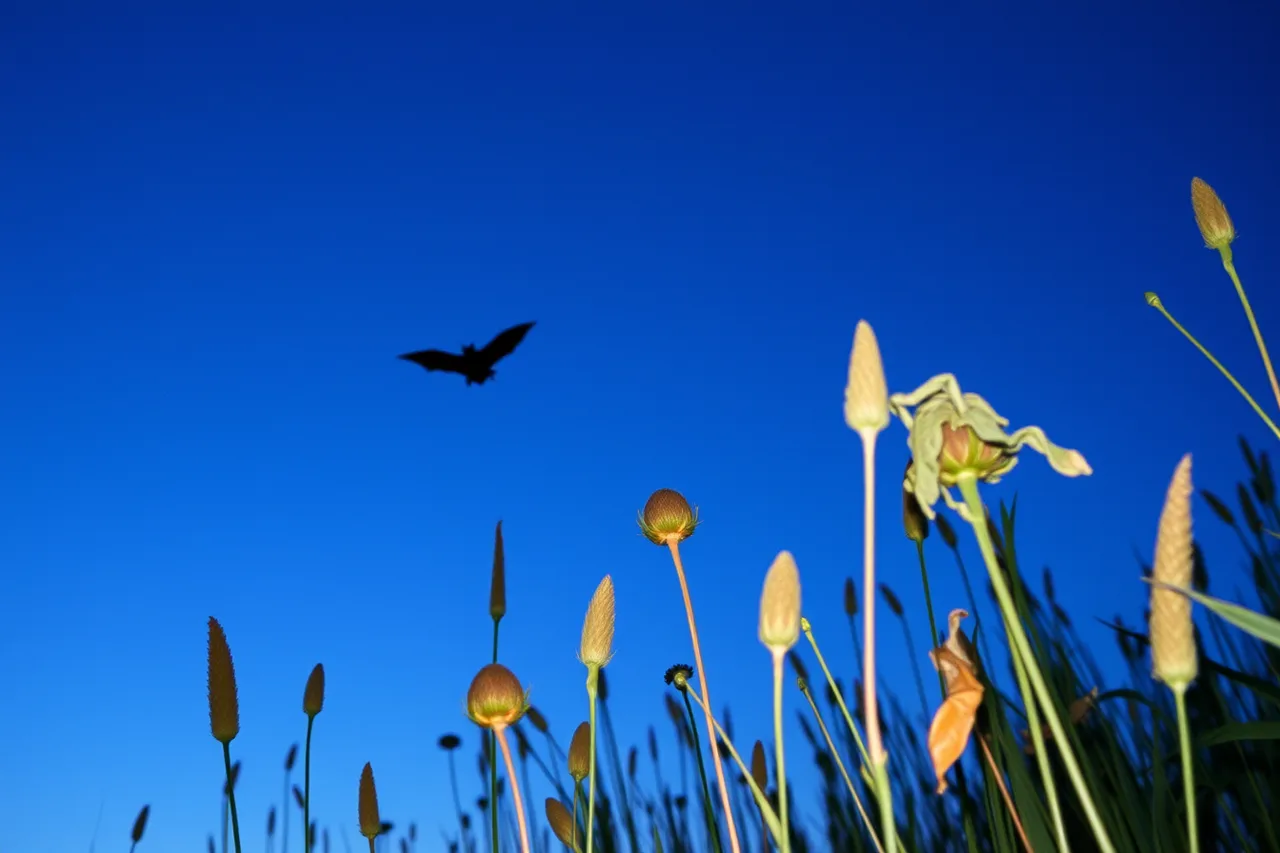
Keeping that help means avoiding blanket insecticide use, leaving some standing structure, and tolerating a level of leaf damage. A yard with zero insect damage is a yard with no insect population, and an insect layer that works costs nothing and replaces spraying.
The yearly rhythm
Treat the table's seasons as regional windows, not fixed dates. In many Midwest locations, late-winter grass cutback falls in February or March, before new shoots emerge; in the Northeast it may shift to March or April. In the Southwest, account for local elevation, heat, and seasonal rainfall rather than borrowing a northern calendar. Use state Cooperative Extension guidance for local planting and division timing.
| When | Task |
|---|---|
| Late winter | Cut warm-season grasses, prune structure, order replacements |
| Early spring | Staged cutback, spread check, label refresh |
| Late spring | Weed by identification, edit unwanted seedlings |
| Summer | Water only in heat, remove weed seed heads |
| Fall | Photograph, record gaps, divide where regionally appropriate |
Use the general second-year routine to follow up on establishment: confirm survival, record losses, and adjust care. For troublesome plants, compare local suitability, spread, upkeep, and habitat value using the plant comparison frame, then keep notes on which plants fit your site.