Rules
Part of How to approach lawn replacement: never leave bare soil
Evidence checklist for lawn replacement contractor: ask what grass you have
A lawn replacement contractor checklist for grass ID, verified pesticide credentials, written disposal terms, 811 utility locating, regrowth, and planting.
What to take away
- Ask the contractor to identify the grass and explain what supports the identification.
- If herbicide is proposed, get the applicator’s license details and verify them with the issuing state agency.
- Get the disposal terms, removal scope, and any extra charges in writing.
- Confirm what will be planted after removal and who is responsible for aftercare.
Ask what grass you have
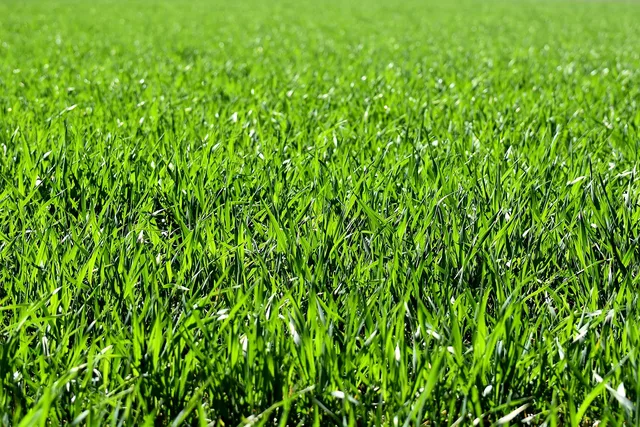
Start here: which species is this lawn, and does it spread by rhizome or stolon? Common examples include Bermuda grass and zoysiagrass, which spread by both; St. Augustinegrass, which spreads by stolons; Kentucky bluegrass, which spreads by rhizomes; and tall fescue, which is generally bunch-forming. Ask the contractor to show what supports the identification, such as photos of the leaf blades and runners. For an uncertain ID, check your state university Cooperative Extension’s turfgrass resources or ask its local office. A crew that says only “grass” has not shown that its method matches the lawn.
Follow up with: what happens to the pieces left behind, and how many passes does your method need?
Ask about the method, in detail
- Which removal method, and why this one for this grass?
- How many treatments or passes are included in the price?
- What happens if the turf regrows after the work is signed off?
- Will the soil be left covered, and with what?
- How deep are you cutting, and how much topsoil leaves the site?
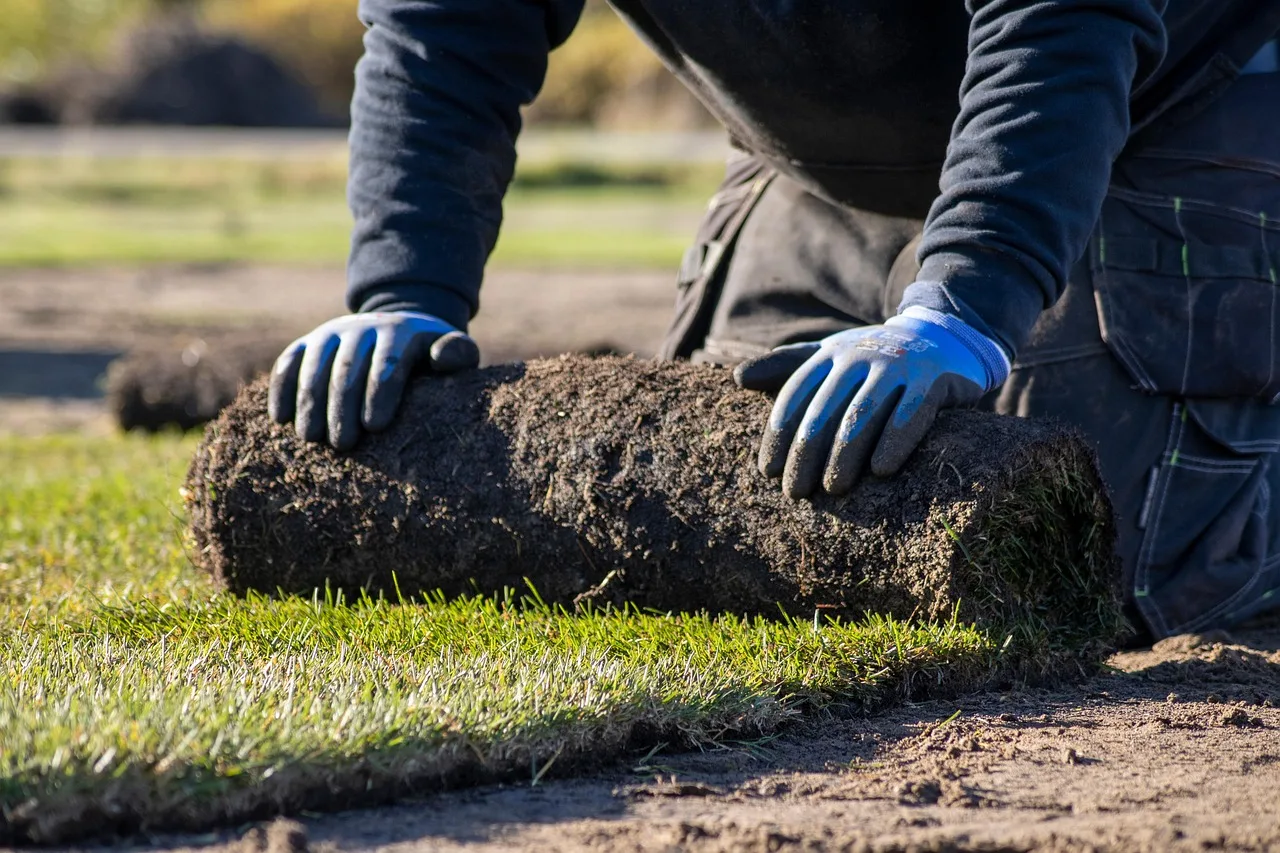
That last question matters. Sod cutting removes the top inch or two of soil along with the grass, which is the layer with the most organic matter in it.
Ask about chemicals and licensing
If herbicide is part of the plan, ask which product will be used, at what rate, how many applications are included, and what the re-entry interval is. Get the applicator’s full name, state pesticide applicator license number, and license category. Requirements and agency names vary by state; ask which agency issued the license, then verify it with that agency’s applicator lookup or directly with the state pesticide regulatory agency. A licensed scope you did not plan for is where a small job quietly doubles.
Nonchemical weed control is a genuine discipline rather than a fallback. USDA assistance for organic producers addresses topics including biodiversity and weed management, but it is not a residential contractor credential. Ask for the contractor’s written mechanical or cultural weed-control plan, including what follow-up is included.
Ask how hard cases are handled
The Bureau of Land Management’s account of treating Colorado’s known elongated mustard infestation describes a public-land case, not a residential contractor credential. For a difficult infestation in your yard, ask the contractor to identify the plant, explain the proposed treatment for that location, and put the follow-up plan in writing.
Your yard version: if a running grass has grown into a shrub bed or under a fence, ask specifically how that area will be handled, because that is where regrowth starts.
Ask about the logistics nobody mentions
Call 811, the Call Before You Dig service, before digging, including for auger holes. Ask who will submit the locate request and confirm that public utilities are marked before work begins; ask separately how any private lines will be located.
Ask about the logistics
| Question | Why it matters |
|---|---|
| Is disposal included, and priced by weight or by load? | Often the second largest line |
| Who calls for utility locating? | Required before digging, including auger holes |
| Will irrigation heads be capped, moved or removed? | Left in place, they water your new bed on the old schedule |
| How will equipment reach the area? | Access determines hours, and hours are the bill |
| What is the site left like on the last day? | Bare soil handed over in July is a weed crop |
Ask what happens after removal
Removal alone is the worst outcome available. Confirm what is planted, when, by whom, and who waters it. The plantings that last all have somebody named for the aftercare. If the planting is a separate contract, make sure the two dates connect, and that somebody is responsible for the ground in the weeks between them.
Use the native-landscaping contractor-vetting guide, and coordinate the work with the plain-English guide to how lawn replacement works.