Maintenance
Part of Native Yard Projects Planning: A Process Overview
The trowel test: when a second-year native bed needs water
In year two, replace the watering schedule with a test. Dig to root depth, read the soil and the plants, and keep the hose for heat waves.
What to take away
- In year two, swap the watering schedule for a test at root depth.
- Judge the soil where the roots are, not the surface.
- Wilting at midday that recovers by evening is normal. Wilting at dawn is not.
- Keep supplemental water for heat waves, and plan to end it after the second full season.
- Skip the routine fertilizer. Leave the soil undisturbed once plants are in.
From a schedule to a test
In the first season you watered on a schedule because roots were still in potting mix. In the second, drop the schedule and test the soil instead. Water only when the soil is dry at the depth where the roots actually sit.
Most established native beds in a normal year need water during heat waves and almost never otherwise. A calendar cannot see a cool, damp August or a dry spring, which is why the test replaces it. The EPA's WaterSense water-smart landscaping guide says that once established, native, regionally appropriate, and low water-using plants require little water beyond normal rainfall.
The trowel test in three steps
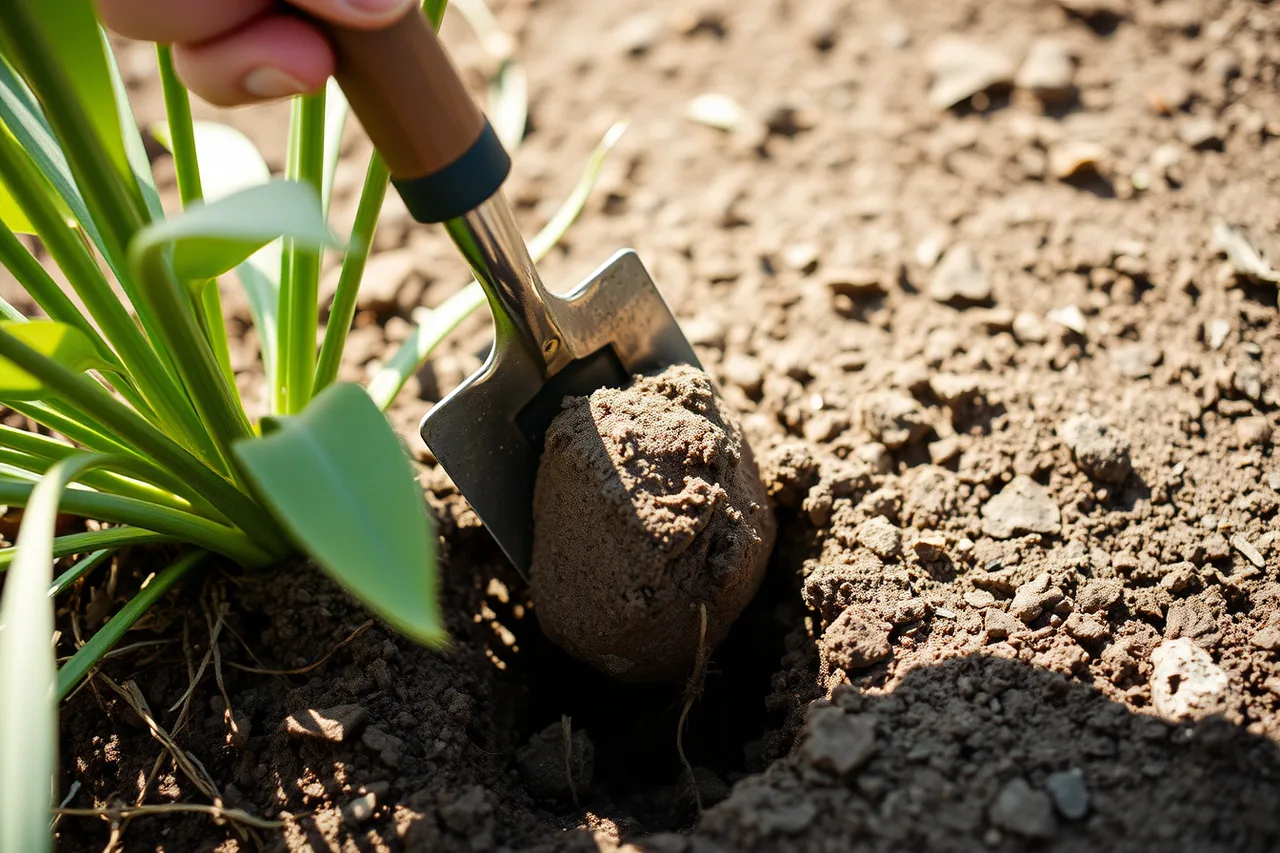
- Push a trowel into the soil as far down as the roots go.
- Look at the soil at that level, not at the surface.
- Water only if the soil there is dry.
Any sturdy hand trowel does the job, and the native yard tools compared cover what else earns a place in the shed.
Reading the plants: dawn against midday
The soil tells you what is in the ground. The plants tell you when to go and look. Watch them rather than the calendar, and note the time of day when you see a droop.
| What you see | What it means | What to do |
|---|---|---|
| Wilting at midday in August, recovered by evening | Normal | Nothing |
| Wilting at dawn | Not normal | Dig and check root-zone moisture that morning, not that weekend |
| Dry soil at root depth | The bed needs water | Water, then go back to the test |
Why the soil decides how much water you need
Healthy soil holds water for you. USDA defines soil health as the continued capacity of soil to function as a living ecosystem, and notes that healthy soils absorb and retain more water, which makes them less prone to runoff and erosion.
Its guidance also points out that disturbance and tillage reduce water infiltration and damage soil structure. For a planted bed that means minimal digging once plants are in, and mulch replenished rather than stripped and replaced. Keep the test hole small, and skip the fertilizer habit unless a soil test says otherwise.
Heat waves and the end of supplemental water
Heat waves are the exception that earns the hose. Keep that watering in reserve through year two, and stop routine supplemental watering after the second full season. How hot and dry a stretch gets depends on where you live, and local climate is also what decided which plants went in.
What the EPA WaterSense program means for native yard watering is a separate question from the test. In your own bed, the trowel still does the deciding.
A short log that makes the test useful
The test only helps if you remember what it showed. Keep a few lines per bed, written the same day:
- the date and the time of day you looked;
- what the soil was like at root depth;
- whether any plant wilted, and whether at dawn or midday;
- whether you watered.
After a season the log shows which beds hold moisture and which dry out first. In the fall, photograph each bed and note the gaps, as part of the usual project plan review, so spring orders follow the evidence.
When the bed is not behaving
If a bed keeps failing the test, step back before you rebuild anything. Check the problem against the common regrets list before you spend money on replacements.
A bed that dries out fast or wilts often is telling you something about the site. That is worth knowing first, because a replacement plant in the same spot meets the same conditions.