Reviews
Where do the results for water saving yard products reviews usually go wrong on the review framework?
What to look for in water-saving yard products: a review framework for irrigation controllers, moisture sensors, pressure regulators, drip parts and leak monitors.
What to take away
- Judge every product by your water meter, not by the packaging claim.
- Fix the system before buying a device. Most waste is leaks and bad zoning.
- The cheapest useful upgrade is a pressure gauge, followed by a regulator if the reading is high.
- Pressure regulation is the least glamorous purchase and often the most effective.
- A device that needs an app to work at all is a device with a failure mode.
Diagnose before you buy
Most residential irrigation waste has three sources: leaks, watering areas that do not need it, and running longer than the soil can absorb. None of those is fixed by a smarter controller.
Test the meter: turn off everything indoors and out, read the meter, wait an hour, read it again. Movement means a leak.
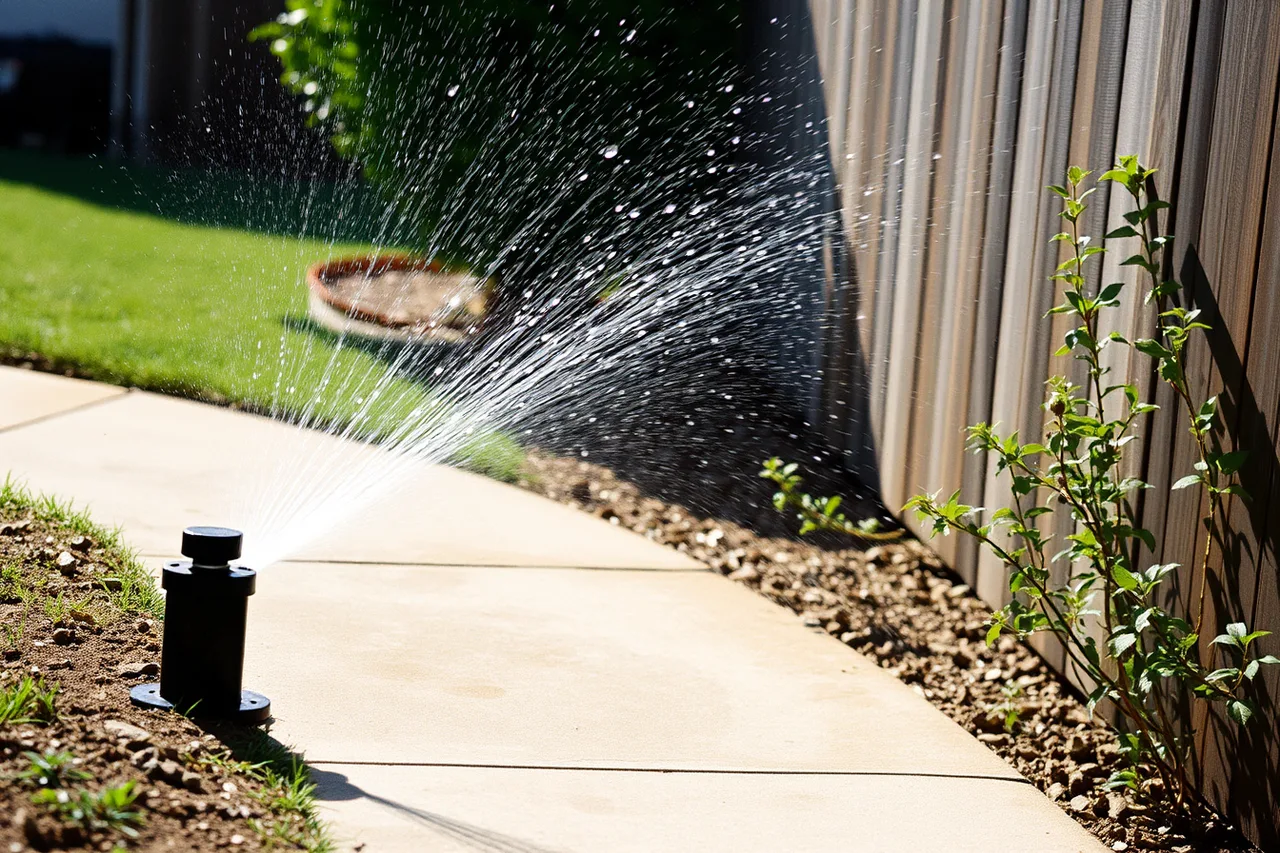
Then run each zone and watch where water lands: on the sidewalk, against the fence, or on the plants you meant to water. A zone still running its old lawn schedule is what drowns a newly planted bed in a wet spring.
Check pressure first
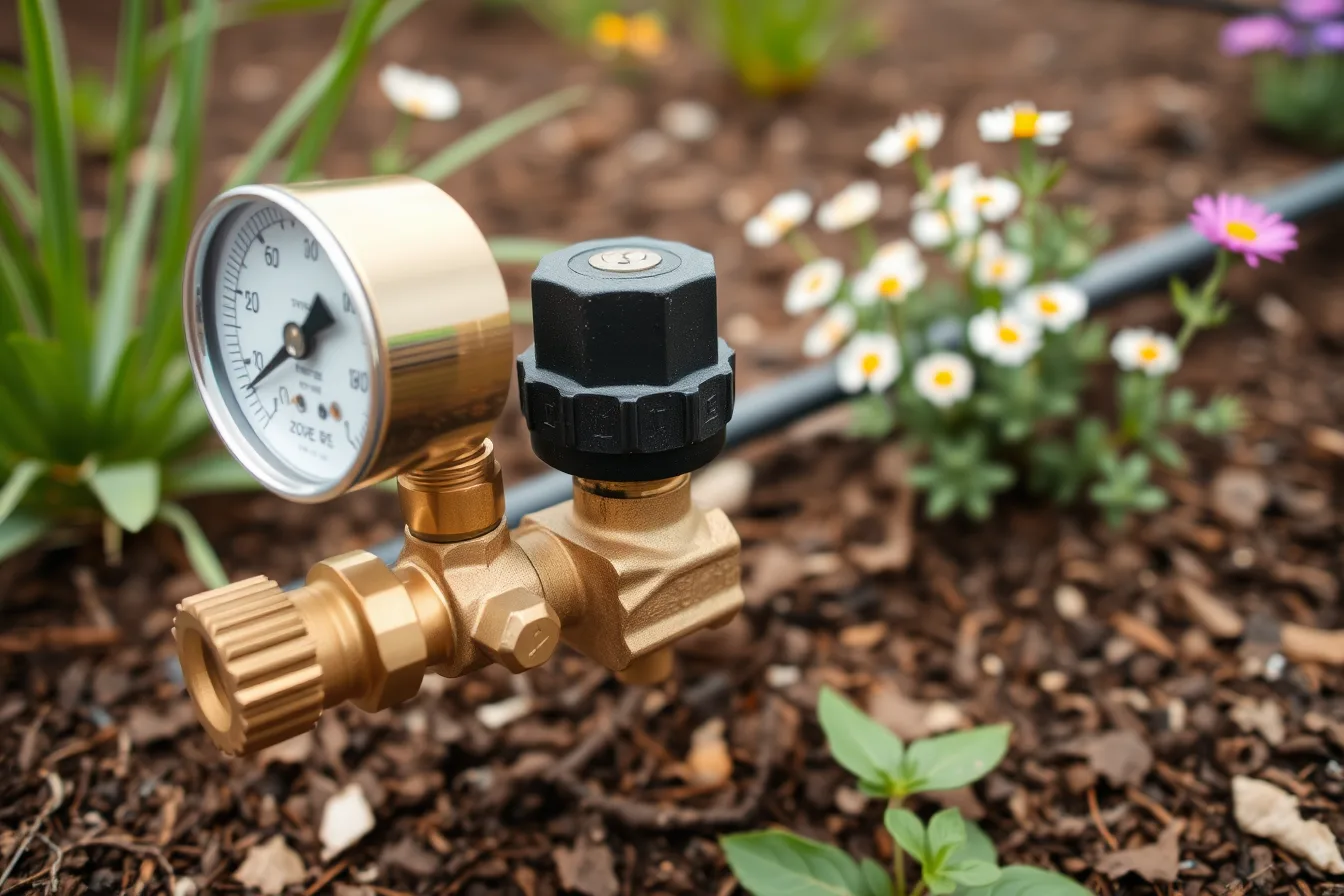
Too much pressure atomizes spray into drift and blows drip emitters off their tubing. Too little starves the far end of a line. A pressure regulator and a gauge cost very little and change the performance of everything downstream.
USDA's Economic Research Service, summarizing irrigation and water use, notes that agriculture is a major user of ground and surface water in the United States.
Where water saving product reviews usually go wrong
Reviews go wrong in ways that repeat. Four of them show up often.
Packaging claims. A box that promises a big cut in water use is quoting the maker's own test. The label rarely says which soil, which pressure and which zone count produced the number, and none of it is measured against your meter.
Single-point readings. A moisture meter pushed into one bed, or a flow gauge left on one spigot, reports that spot alone. Reviews often present it as the whole zone, which is why the advice does not travel to a sloped yard.
Subscription lock-in. A controller whose schedule lives in a vendor app stops watering when the plan lapses or the terms change. The valve box still works; the watering does not.
Short test windows. A review written after two weeks cannot say whether emitters still flow evenly in year three, and that is the failure drip systems actually meet.
The review framework
| Product | The question that matters | How to verify |
|---|---|---|
| Smart controller | Does metered use drop? | One month manual, one month automatic |
| Soil moisture sensor | Does it agree with a trowel? | Ten paired checks across a season |
| Rain sensor | Does it actually skip a cycle? | Watch it after a real storm |
| Pressure regulator | Is pressure in the emitter range? | Gauge at the zone, before and after |
| Drip tubing and emitters | Do they still flow evenly in year three? | Flush the line, check the far end |
| Leak monitor | Does it catch a slow leak, not just a burst? | Compare against a meter test |
Controllers and sensors cost more than the small parts: a smart controller typically sells for $100 to $300, a rain sensor for $20 to $60 and a soil moisture sensor for $40 to $150. Zone count, valve size and whether you buy retail or trade set the price.
Rain Bird, Hunter, Toro and Netafim publish pressure and flow specifications for these parts, so a model number tells you the rated outlet pressure.
Products that usually earn their place
- a pressure gauge (typical $10 to $25) and a regulator (typical $25 to $60);
- a soil probe (typical $10 to $30) or a long screwdriver;
- a hose timer with a rain delay, for hand watering (typical $30 to $70);
- drip line with pressure-compensating emitters on sloped runs (typical $0.30 to $1.00 per foot);
- a filter, because clogged emitters are the main drip failure (typical $15 to $40).
Products that usually do not
Anything sold as a combined fertilizer and water saver. Consumer moisture meters that read a single point in one bed and report it as the whole zone. Subscription-dependent controllers where the watering schedule stops working if the service is discontinued.
Keep the bigger picture
The Fish and Wildlife Service reports freshwater supplies shrinking while new contaminants and rising flood, drought, heat and wildfire frequency add pressure in most of the regions it tracks.
So designs that survive on rainfall once established matter more than any device you buy at the store, and every single list you make should always start from a plant selection that suits the site.
That is the context for a yard purchase: one month on the meter, ten paired moisture checks, a gauge reading before and after, then the tools testing protocol.