Guides
Native landscaping: observe your yard before planting
Native landscaping starts with observing your site: track sun, standing water, soil, boundaries and watering needs before choosing plants or converting a bed.
What to take away
- Native landscaping is local. A species native to your state can still be wrong for your street.
- Sun hours, drainage and soil texture decide what lives, not a wish list.
- New plants need watering until roots leave the nursery mix, native or not.
- Convert one area at a time. The real cost is the weeding that follows.
Read the site before you read a plant list
Spend a season watching the yard you already have. Note the hours of direct sun each bed gets in June and again in October. Mark where water stands after a storm, where the hose never reaches, where snow gets piled, where the dog runs.
Site survey before planting
- Note direct sun hours in June and October
- Mark standing water after storms
- Mark where hose never reaches
- Mark snow pile spots and dog runs
- Measure distances to house, walk, property line
- Measure to meter and overhead lines
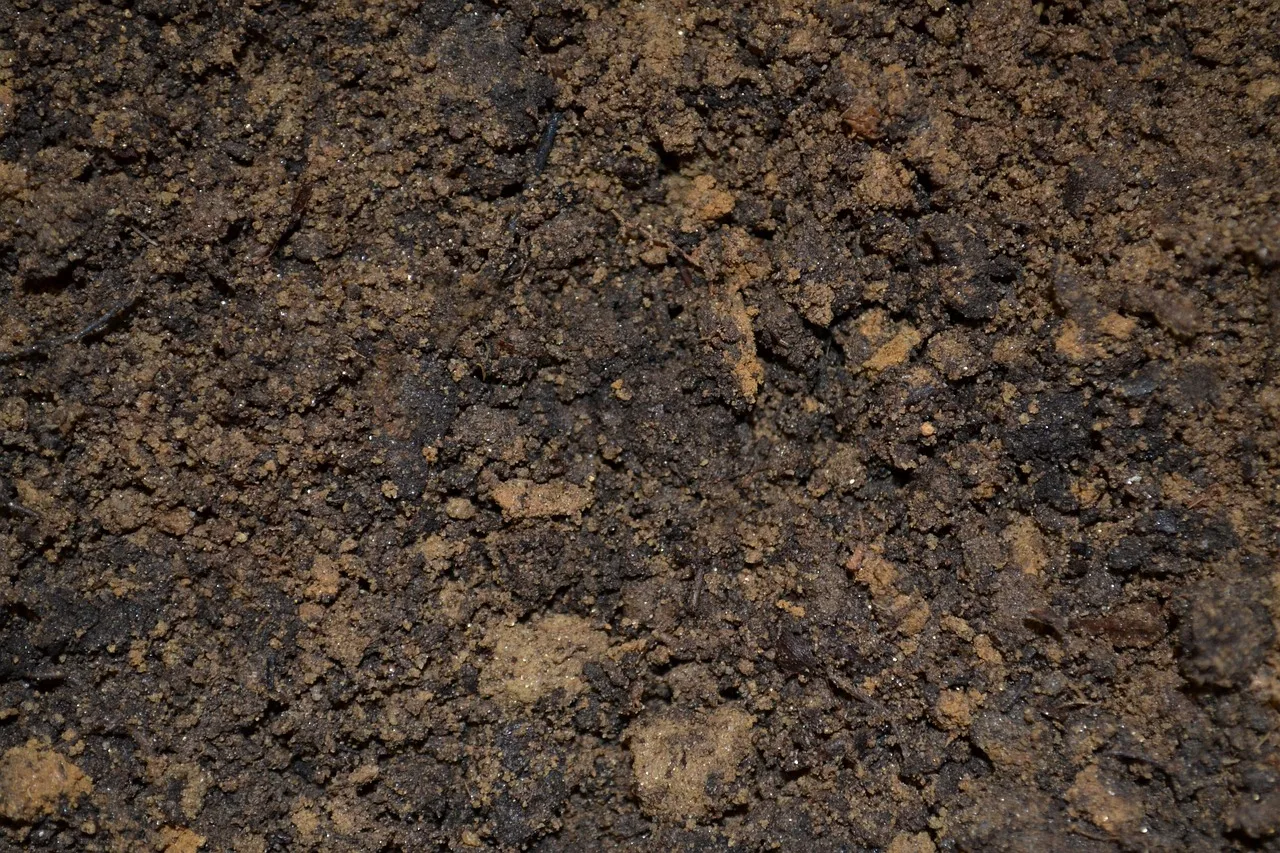
- Dig to confirm soil texture and drainage
Then write down the measurements: distances to the house, the walk, the property line, the meter, the overhead lines. Almost every planting regret starts as a mature-size problem that looked fine on installation day.
Soil comes next. Mapped soil data gives you the neighborhood picture, and the USDA's explanation of who uses a soil survey lists homebuyers, planners and builders among them. On a graded residential lot, treat that map as background and confirm texture and drainage by digging.
Decide what "native" means at your address
A single national plant list does not exist and should not. Public gardens publish regional ones instead: the U.S. Botanic Garden's native plant recommendations come from its Regional Garden of Mid-Atlantic species, which is useful in Maryland and beside the point in Arizona.
Choosing your native plant list
Is there a list for your state, county or ecoregion?
Use native plant society or extension list
Use a regional public garden list as a start
So narrow it. Look for lists tied to your state, county or ecoregion, published by a native plant society or a university extension program. The ecoregion matters more than the state line, because one state can hold desert, mountain and coastal conditions. Record the scientific name for every candidate; common names travel badly and get reused across unrelated plants.
Cultivars are a separate decision. A named selection is still a selection, bred for flower color or compact habit.
Plan water before you plan plants
Group plants that want the same amount of water into the same bed. Splitting a bed between a dry-loving grass and a moisture-loving sedge guarantees one of them is mistreated whenever you water. A corner that stays wet is not a drainage failure to fix; it is a spot that wants a species documented to tolerate saturated soil.
Watering through establishment
- Planting dayOne-gallon root ball in pot-sized soil
- First seasonWater regularly until roots reach site soil
- Second seasonSpot water as roots establish
- After year twoCheck root-depth moisture with a trowel
Establishment is its own problem: a one-gallon plant arrives with a root ball the size of its pot. It needs help until roots reach site soil, so water regularly the first season and spot water the second.
After that, the rule changes from a schedule to a soil test; check root-depth moisture with a trowel, not a schedule.
Convert in phases, not all at once
Clearing a whole yard produces bare ground, and bare ground grows weeds faster than anything you planted. A first phase that works:
Convert in phases
- one foundation bed, one curb strip where rules allow, or one section of low-use turf;
- clear only inside that boundary;
- plant in your region's better season, usually fall in the East and Midwest, late winter in the desert Southwest;
- mulch, label every plant, photograph from a fixed spot;
- water, weed and watch a full year before expanding.
Labels matter more than people expect. Many native perennials look like weeds in their first spring, and an unlabeled bed gets tidied by a helpful visitor.
Keep a record you can act on
| What to log | Why it pays off |
|---|---|
| Scientific name and source | Lets you reorder what worked |
| Planting date and stock size | Explains slow growth before you blame the plant |
| Watering done and skipped | Separates drought stress from root rot |
Review the log each season. Replace what failed twice, not what failed once in a heat wave.
Native planting is not a style you buy. It is a set of decisions about one piece of ground, and the ones that matter most happen before anything is in the cart. Start with a small area you can actually maintain, and confirm what your city and HOA require first.
Common questions
Do native plants really need no water?
Can I skip soil amendment?
Fall or spring planting?
What if my HOA objects?
In this guide
- Native landscaping rules: who to ask before you plantNative landscaping rules: which office to ask about a weed ordinance, a curb-strip plant list, a permit, a noxious weed list and your HOA covenant.
- Native landscaping ideas for small spaces: where to startNative landscaping ideas for tight spaces: real bed size, balcony containers, layered small beds, clean edges, and mulch that holds up in a narrow strip.
- Five native landscaping regrets homeowners have and how to avoid themThe five regrets that can follow a native conversion, from clearing too much at once to skipping establishment water, and a fix for each one.
- Judging native landscaping timeline: month five: prepare the groundA month-by-month native landscaping timeline: observation, sourcing lead times, preparing the ground in month five, and judging establishment.
- How to vet a native landscaping contractor before signing anythingThe questions that separate a native-plant specialist from a mow-and-blow crew, plus the contract terms that keep substitutions and watering honest.