Guides
How to approach lawn replacement: never leave bare soil
What actually happens when you convert lawn: identifying the turf, killing it properly, keeping the soil covered, and planting something that stays.
What to take away
- Identify your turf first. Warm-season grasses need a different removal plan than cool-season ones.
- Killing the lawn is one step; keeping the soil covered afterwards is the step that decides success.
- Convert only the lawn nobody uses, and keep the part that has a job.
- The weeds that show up next tell you what your soil is actually like.
Step one: know which lawn you have
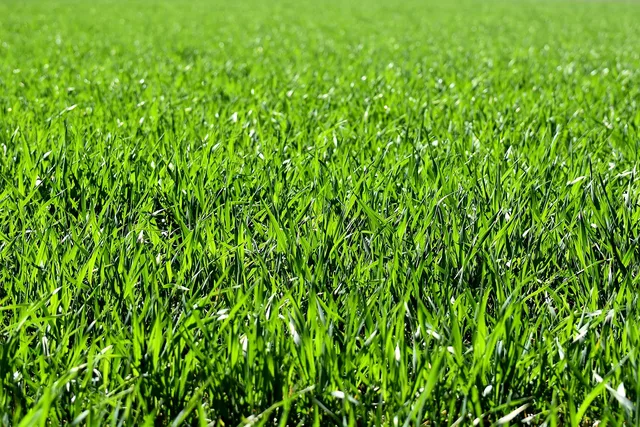
Cool-season grasses such as fescue and bluegrass grow in spring and fall and go semi-dormant in heat. Warm-season grasses such as bermudagrass and zoysia grow in summer and spread by rhizomes and stolons, which means fragments left behind become new plants.
That difference sets the whole plan. A cool-season lawn can often be smothered in one season. A running warm-season grass usually needs a longer program, and it will return from any piece of rhizome you leave.
Step two: choose a removal method that matches the grass
Step two: choose a removal method
Best for
- Sheet mulching with cardboard
- Cool-season turf, small areas
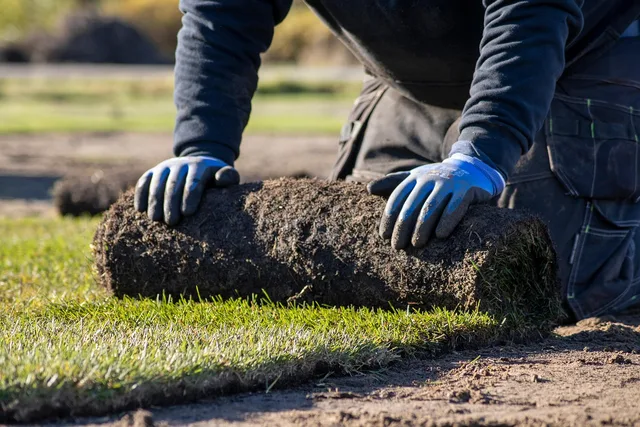
- Sod cutting
- Fast results, level areas
- Solarization under clear plastic
- Hot climates, summer
- Repeated cultivation
- Weedy ground, no rhizomes
- Herbicide by a licensed applicator
- Running warm-season grasses
Time needed
- Sheet mulching with cardboard
- One season under cover
- Sod cutting
- A day, plus disposal
- Solarization under clear plastic
- Six to eight weeks of heat
- Repeated cultivation
- Several passes over months
- Herbicide by a licensed applicator
- Multiple applications
None of these is universally best, and running grasses often need two methods combined.
Step three: never leave bare soil
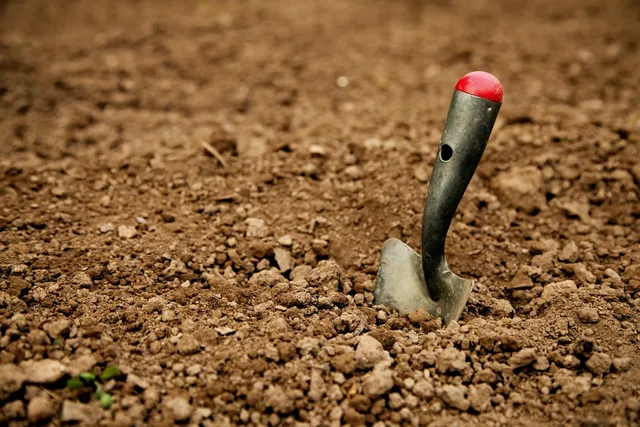
Bare ground erodes and grows weeds, and the whole reason USDA exists in its current form is that lesson at national scale. The agency describes its own origin as the Soil Conservation Service, created in 1935 during the Dust Bowl, a period of eroded topsoil and severe dust storms.
In a yard, keep something on the soil at all times: the old sod in place until planting day, then mulch, then plants. If a phase has to wait, cover it.
Step four: read the weeds that appear
Whatever germinates in the cleared area is information. A Fish and Wildlife Service field office documenting its own native garden through the season treated an uninvited pennywort that way. Pennywort grows in wet or constantly moist conditions, so its arrival told the staff about soil moisture and guided later plant selection.
Do the same. Note what colonizes each part of the cleared ground before you finalize the plant list.
Step five: plant, then keep watering
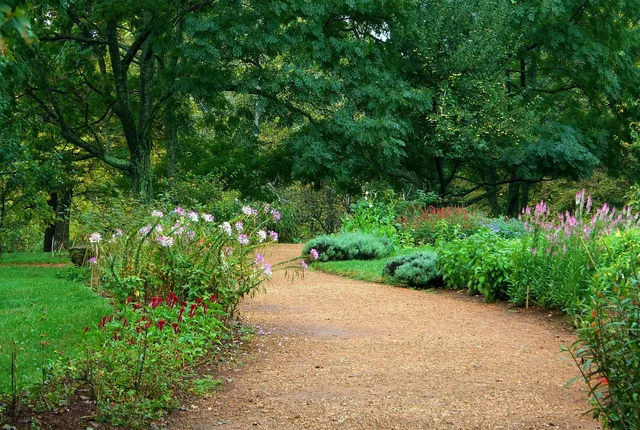
Plant in your regional window, mulch, label, and water through the first growing season. Native does not mean self-sufficient on day one; it means self-sufficient once roots reach site soil.
Plant densely enough that the ground closes within two seasons. A conversion planted at showroom spacing spends three years as a mulch bed with plants in it, and every one of those years is a weeding year.
If the plant budget will not stretch to full density, plant a smaller area at the right spacing rather than a large one at the wrong spacing. Moving down a stock size is the largest honest saving in a planting budget when you need the density and the area both.
Step six: keep the lawn that earns its place
Turf is a good surface for play and for paths. Convert the strips and corners nobody walks on, and stop there for the first year. Removing turf you never walk on drops a chore without costing you any use of the yard.
For the underlying method, work through the site-first planning guide, and price the job with the full cost breakdown before ordering anything.
Common questions
Can I just till the lawn under?
How long does sheet mulching take?
Do I need to remove the dead sod?
When can I stop watering?
In this guide
- Working checklist for lawn replacement cost: three budget levelsCosting a lawn conversion honestly: removal and disposal, replacement planting, irrigation changes, two seasons of aftercare and the rebate fine print.
- Evidence checklist for lawn replacement contractor: ask what grass you haveA lawn replacement contractor checklist for grass ID, verified pesticide credentials, written disposal terms, 811 utility locating, regrowth, and planting.
- Weighing lawn replacement comparison: choosing between themLawn replacement materials compared for cost and upkeep: what can replace turf, planted matrix, no-mow grass, seeded meadow, mulch, gravel or hardscape.
- Lawn replacement checklist: 6 phases through year oneUse this lawn replacement checklist to identify turf and soil, plan the replacement, remove it, plant, and care for the bed through its first year.
- Lawn Replacement Problems After Turf RemovalLawn replacement problems include regrowing turf, weed flushes, erosion, and irrigation mistakes. Learn how to contain setbacks and prepare for native planting.