Guides
Reading water saving yard products checklist: before you buy, set against seasonal habits
A pre-purchase and commissioning checklist for irrigation upgrades: measure first, confirm compatibility and rebates, then verify savings at the meter.
What to take away
- Take a baseline meter reading before you buy anything.
- Confirm rebate eligibility by model number, before purchase.
- Commissioning is a task with a date, not something that happens by itself.
- Re-verify at the meter after one full month of operation.
Before you buy
- Read the water meter and record the date; this is your baseline.
- Run a one-hour leak test with everything off.
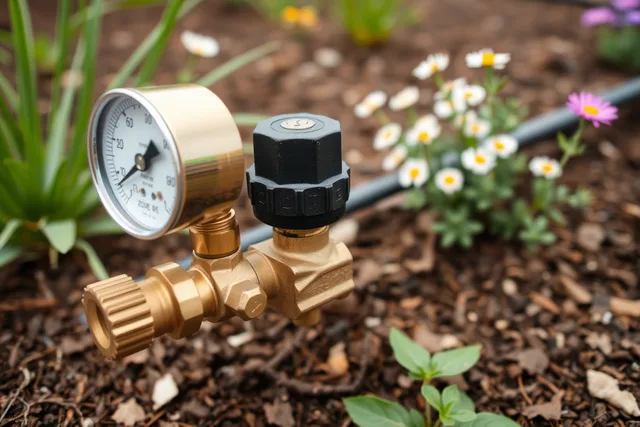
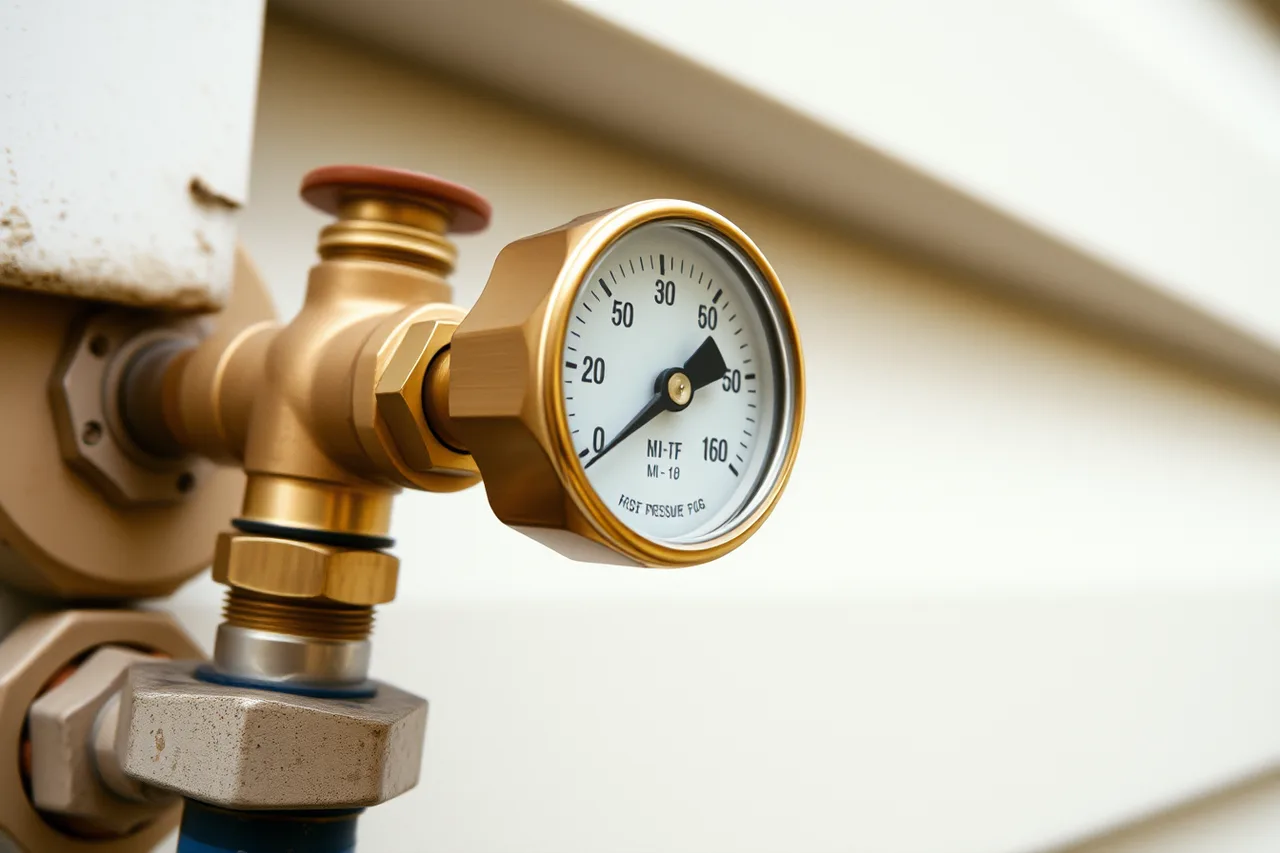
- Measure static pressure at an outside spigot with a gauge.
- Run each zone and sketch what it waters.
- Note soil texture and any slopes that cause runoff.
- Check your utility's rebate list for eligible model numbers.
Mapped soil information is a useful starting point for the soil question. USDA supports the mapping and classification of the nation's soils and maintains the public soil survey resources behind them, which give the regional picture before you confirm it by digging. A foot-deep hole and a lab sample settle it for any bed you are about to water.
Pre-purchase baseline checklist
- Read meter, record date
- One-hour leak test, all off
- Measure static pressure at spigot
- Sketch each zone's coverage
- Note soil texture and slopes
- Check utility rebate model list
Compatibility checks
| Check | Why |
|---|---|
| Valve type and wire count | Determines which controllers can be used |
| Existing backflow device | May need testing or replacement |
| Water pressure range | Drip components have narrow operating ranges |
| Wi-fi coverage at the controller | Garage and basement signal is often poor |
| Filter and fitting sizes | Mismatched thread standards are common |
Purchase and installation
- Buy the exact model on the rebate list, and keep the receipt.
- Confirm who installs, and whether a permit or backflow test is required.
- Install pressure regulation before drip components.
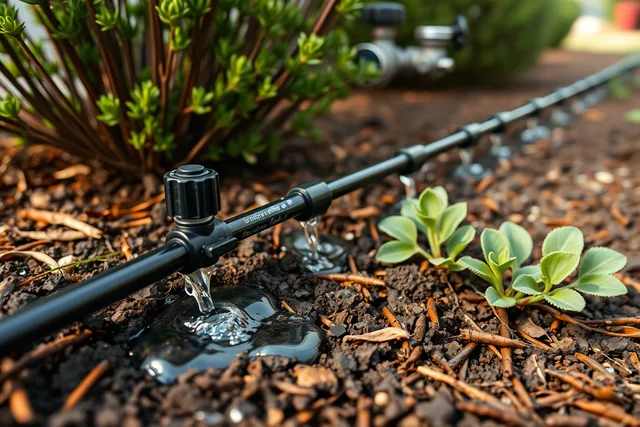
- Fit a filter on every drip zone.
- Label the valve box and photograph the wiring before closing it.
Commissioning, on a specific date
- Program each zone with run times matched to soil and plant type.
- Use cycle-and-soak on clay and on slopes, since soil texture sets the run time rather than the device.
- Run each zone and watch for runoff, mist, or dry patches.
- Place any soil sensor at root depth in a representative spot, not the wettest or driest.
- Write the schedule down and keep it with the zone map.
Verify at the meter
Read the meter again after a full month of typical weather, then compare it with the same month last year if you have the bill. Water use is worth measuring, not assuming.
USDA research on food-related water use found that consumption varies substantially by category and by supply chain stage, a variation that only appears when someone measures it.
If the number has not moved, the fault is usually the schedule or a leak rather than the device, and both are cheaper to fix than the device was to buy.
Seasonal habits
Adjust the schedule at least four times a year. Flush drip lines each spring. Check filters monthly in summer. Replace controller batteries annually.
In cold regions, add a winterizing step and a spring start-up. Before the first hard freeze, blow out or drain the lines, shut and drain the backflow device, and bring hose timers indoors.
In spring, open the system slowly and walk each zone as it runs. Repair winter breaks before reprogramming anything. Most of the season's leaks are created in one February night and found in June.
Buy against the product review framework and cost the work with the water equipment budget method.