Reviews
Part of How to judge a native plant for your own yard: ecoregion, habitat and upkeep
Regional native plants by region and role: species to choose and what to skip
A regional native plant list by region and yard role, with species such as live oak, manzanita, and switchgrass, plus plants and traits to skip.
What to take away
- Match the species to the region first, then to the role it fills.
- A plant that needs staking or annual shearing is the wrong plant.
- Wet corners want wetland species, not drought-tolerant ones.
- Ground cover planted densely removes more work than any other role.
- Plant slow species first; the clock starts at planting, not at planning.
A regional native plants comparison works best as a two-step filter: region first, role second. The table below compares native species across six regions. It names what each does and who it suits. Then the skip table names plants to leave at the nursery.
Named species, by region and role
| Region | Species | Role it fills | Why it earns a place |
|---|---|---|---|
| Pacific Northwest | Red osier dogwood (Cornus sericea) | Wet-spot planting, screening | Tolerates seasonal flooding; red winter stems |
| Pacific Northwest | Oregon grape (Mahonia aquifolium) | Ground cover, screening | Evergreen, spreads, handles shade |
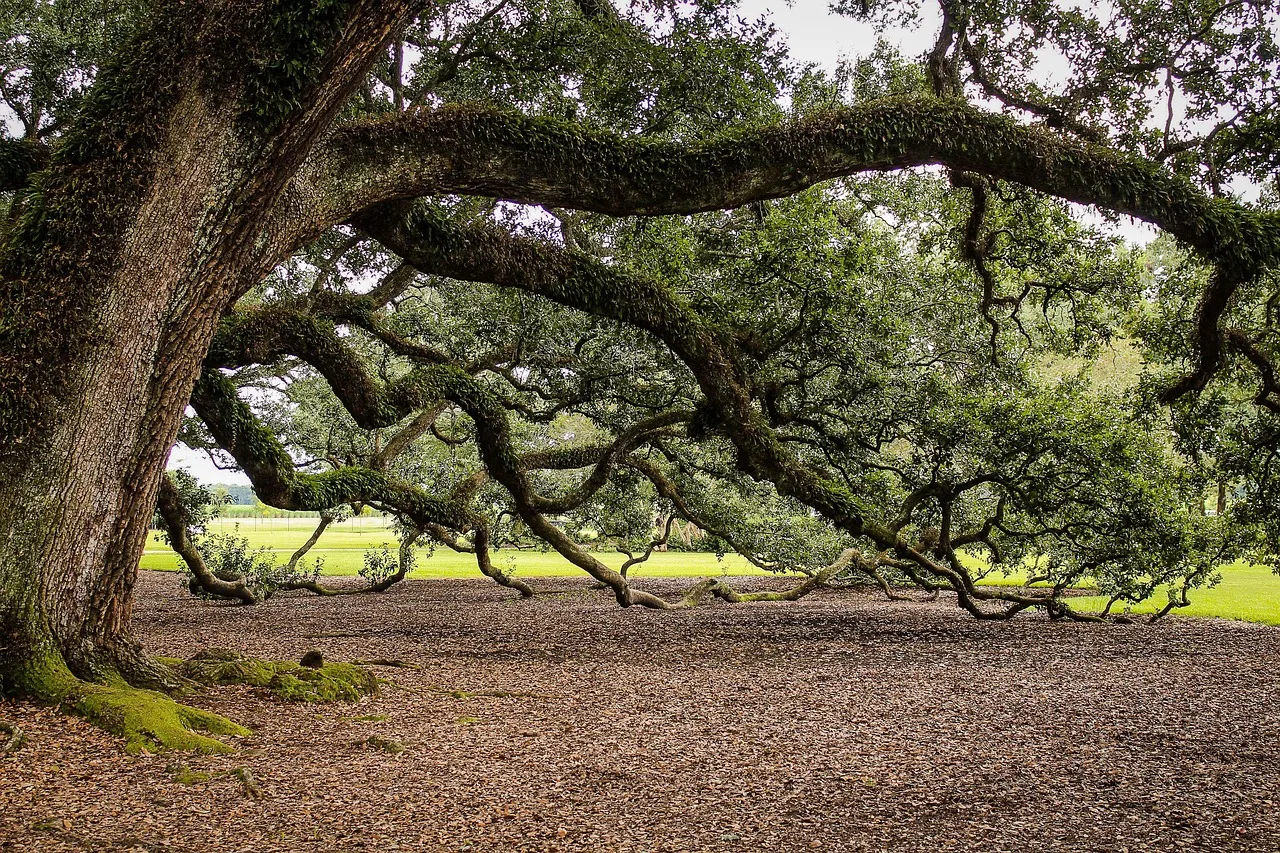
| California | Coast live oak (Quercus agrifolia) | Canopy shade | Mature height, deep roots, long-lived |
| California | Manzanita (Arctostaphylos spp.) | Ground cover, erosion control | Dense mat, handles dry slopes |
| Southwest | Desert willow (Chilopsis linearis) | Screening, shade | Heat-tolerant, long bloom, no staking |
| Southwest | Beargrass (Nolina microcarpa) | Matrix, erosion control | Fibrous roots hold decomposed granite |
| Midwest | Switchgrass (Panicum virgatum) | Matrix, erosion control | Clumping, upright, winter structure |
| Midwest | Prairie dropseed (Sporobolus heterolepis) | Ground cover, matrix | Fine texture, closes in two seasons |
| Southeast | Muhly grass (Muhlenbergia capillaris) | Matrix, screening | Tolerates clay, holds winter form |
| Southeast | Inkberry holly (Ilex glabra) | Screening, cover | Evergreen, native to wet flatwoods |
| Southeast and Midwest | Pickerelweed (Pontederia cordata) | Wet-spot planting | Shorelines and ditches, shallow flooding, two to three feet tall |
| Northeast | Lowbush blueberry (Vaccinium angustifolium) | Ground cover, cover | Spreads by rhizome, fruit for wildlife |
| Northeast | Winterberry holly (Ilex verticillata) | Wet-spot planting | Wants saturated soil, berries persist |
The table compares region and role, not beauty. A species earns a place when it fits the site and does a job, such as screening, erosion control or winter food. If it needs staking or twice-yearly shearing, skip it.
The wet spot needs a wetland plant
A saturated low corner is a habitat, not a drainage problem. It wants a species that evolved there, not a dryland shrub that declines in wet roots.
The Fish and Wildlife Service's description of pickerelweed shows the level of detail worth demanding: it grows on shorelines and in ditches, tolerates shallow flooding, is not drought tolerant, and stands two to three feet tall. Those four facts place it precisely. A plant labeled only moisture loving does not.
Winterberry and red osier dogwood fill that role outside pickerelweed's range. Keep dry-adapted species out of the corner entirely.
What to skip, and why
Skip these categories regardless of region. Then check the named plants below before you buy.
What to skip, and why
- Single specimens chosen for novelty
- Plants that need staking
- Anything needing a hedge trimmer twice a year
- Species whose only job is being unusual
- Check mature spread against the actual gap
A plant that cannot hold itself up in year three was mis-sited or mis-chosen. Check the mature spread against the actual gap before you buy.
| Skip this | Region or site | Why to skip |
|---|---|---|
| Norway maple (Acer platanoides) | Northeast and Midwest | Seeds into woodlands; dense shade suppresses native understory |
| Japanese barberry (Berberis thunbergii) | Northeast and Midwest | Many states list it as invasive; spreads by seed and hosts ticks |
| Purple loosestrife (Lythrum salicaria) | Wet spots nationwide | Colonizes shorelines and ditches; crowds out pickerelweed and other natives |
| Callery pear (Pyrus calleryana) | Southeast and Midwest | Weak wood; spreads into fields and roadsides |
| English ivy (Hedera helix) | Pacific Northwest and Southeast | Climbs trees and forms a ground monoculture |
Skip these and plant the natives from the first table instead.
Ground cover is the quiet winner
Living cover removes the recurring cost of mulch and most of the weeding. It is less photogenic than a flowering border and saves more hours than anything else in the yard. Bare soil between plants is the weed problem; closing the ground beats topping up mulch.
Choose a spreading species matched to the light, plant densely enough to close within two seasons, and do not interplant with anything that will be swamped.
Oregon grape and lowbush blueberry spread; prairie dropseed and switchgrass clump. Pick the spreader for bare soil and the clumper for a matrix.
Private land carries most of the habitat
Private land carries most of the country's habitat. USDA notes that two-thirds of the land in the lower 48 states is privately owned, and that private land supplies much of the open space and habitat wildlife depend on.
That argues for species that do more than one thing. Inkberry is screening, nesting cover and winter food at once. Switchgrass is weed suppression and overwintering habitat. Match your list against the plant comparison frame, then rank the whole project using the yard upgrades that pay off daily.
Sequence the roles by payback
- Immediateground cover, erosion control, wet-spot planting.
- Two to three seasonsmatrix grasses, screening shrubs.
- Five years and beyondcanopy shade.
Plant the slow ones first even though they pay last. A coast live oak planted this fall is three years ahead of the identical tree you plant after finishing everything else.
Common questions
Can one plant fill two roles?
Often, and it should. Inkberry does screening, cover and food together. Lowbush blueberry covers ground and feeds wildlife in the same square foot.
What is the fastest ground cover?
Depends on region and light. Oregon grape closes quickly in shade; prairie dropseed takes longer but holds winter form. Ask a local grower which species closes in two seasons for your conditions.
Should I drain the wet corner?
Usually not, and grading changes may need a permit. Plant it with a wetland species instead, and confirm any earthwork with your municipal code office first.
How dense should ground cover go in?
Close enough that plants touch within two growing seasons, which is tighter than most planting plans suggest. Space on mature spread, not nursery-pot size.